Canada's IoT Engineering Market at a Glance
Walk into any modern Canadian factory, hospital, or farm and you'll find sensors quietly doing their job—tracking temperature, monitoring crops, managing energy use. Behind those sensors sits an IoT engineer. Canada's Internet of Things sector has been expanding fast, powered by smart manufacturing, connected healthcare devices, and smart city infrastructure. Industry Canada estimates and private sector reports both point to steady growth in connected devices across Canadian industries, which keeps demand alive for engineers who can design, secure, and maintain these systems. The Information and Communications Technology Council (ICTC) has repeatedly flagged a shortage of skilled digital talent in Canada, and IoT-adjacent roles sit right in the middle of that squeeze. For anyone weighing this career path, the combination of labor demand, competitive pay, and cross-industry applicability makes IoT engineering one of the more stable tech careers in the country.
What Does an IoT Engineer Actually Do?
An IoT engineer designs and maintains systems where physical devices collect and exchange data over networks. The role straddles hardware and software, which is what separates it from purely software-focused positions. Typical responsibilities include:
- Designing sensor circuits and embedded hardware
- Writing firmware for microcontrollers and edge devices
- Building communication layers using protocols like MQTT, CoAP, or Zigbee
- Integrating devices with cloud platforms (AWS IoT, Azure IoT Hub, or Google Cloud IoT)
- Implementing security measures for device identity, encryption, and updates
- Analyzing data streams and connecting them to dashboards or machine learning pipelines
Because IoT touches so many layers, engineers often specialize in one area—embedded systems, connectivity, cloud integration, or security—while keeping a working knowledge of the full stack. That breadth is both the challenge and the appeal.
Educational Pathways in Canada
Degree Options
The most direct route is a bachelor's degree in electrical engineering, computer engineering, or software engineering from an accredited Canadian university. Programs at the University of Waterloo, University of Toronto, University of British Columbia, and Polytechnique Montréal include coursework in embedded systems, signal processing, and networking that lines up well with IoT work.
Coming from a related field? A master's degree in computer engineering or a specialized IoT graduate certificate can fill in the gaps. Colleges such as Seneca, Conestoga, and BCIT offer postgraduate certificates in IoT and embedded systems designed specifically for career changers.
Certifications That Carry Weight
Employers in Canada tend to value vendor-neutral and platform-specific certifications. Relevant credentials include:
- AWS Certified IoT – Specialty
- Azure IoT Developer Specialty
- Cisco CCNA (networking foundation)
- Certified Internet of Things Security Practitioner (CIoTSP)
- Embedded systems certificates from platforms like Coursera or edX
Essential Technical Skills
Hiring managers in Canada typically look for a blend of programming, hardware, and networking skills. Common requirements include:
- Programming: C, C++, Python, and sometimes Rust for embedded work
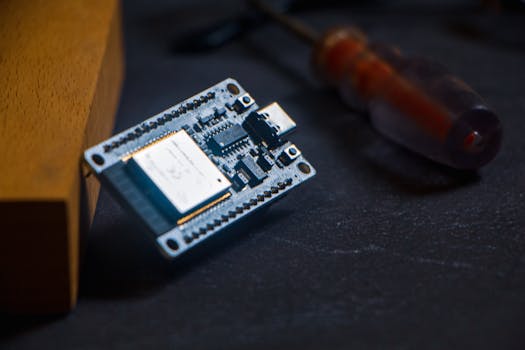
- Hardware: experience with microcontrollers (STM32, ESP32, Arduino, Raspberry Pi)
- Protocols: MQTT, HTTP, Bluetooth Low Energy, LoRaWAN, Zigbee
- Cloud: AWS IoT Core, Azure IoT Hub, or Google Cloud IoT
- Security: TLS, secure boot, OTA update mechanisms
- Data: basic SQL, time-series databases, and data visualization tools
- Version control and CI/CD: Git, Jenkins, or GitHub Actions
Soft skills matter too. IoT projects often pull together cross-functional teams, so clear communication with product managers, data scientists, and operations staff is part of the daily routine.
Step-by-Step Path to Becoming an IoT Engineer in Canada
Step 1: Build a Foundation
Complete a relevant degree or diploma. If you already hold a computer science or electronics qualification, supplement it with embedded systems and networking coursework.
Step 2: Gain Hands-On Experience
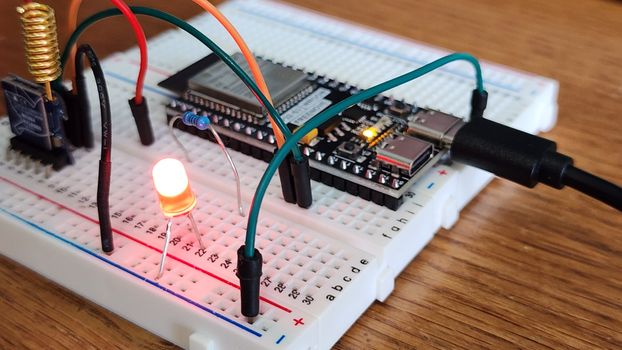
Practical projects are essential. Build and document your own IoT devices—a home automation sensor, a soil moisture monitor, or a small LoRaWAN network. Contributions to open-source IoT projects such as Home Assistant or Node-RED carry real weight with Canadian employers.
Step 3: Pursue Internships or Co-op Placements
Canada's co-op programs, particularly in Ontario and British Columbia, feed directly into IoT roles at companies like Sierra Wireless, TELUS, and BlackBerry QNX. These placements often convert into full-time offers.
Step 4: Obtain Relevant Certification
A cloud IoT certification shortens the learning curve for platform-specific work and signals initiative to recruiters.
Step 5: Target the Right Employers
IoT roles exist across sectors: telecommunications, automotive, agriculture technology, medical devices, and industrial automation. Research companies in your province and tailor your applications accordingly.
Step 6: Address Immigration Requirements (If Applicable)
International candidates may need a work permit or permanent residence. The Global Talent Stream and Express Entry's STEM category draw are common routes. A job offer from a Canadian employer significantly strengthens an application.
Salary Expectations in Canada
Compensation varies by experience, province, and industry. Based on aggregated data from sources such as Indeed Canada and Glassdoor:
- Entry-level IoT engineer: CAD 65,000 – 80,000 per year
- Mid-level: CAD 85,000 – 110,000
- Senior or lead: CAD 115,000 – 150,000+
Ontario and British Columbia tend to offer the highest base salaries, though cost of living adjusts the effective value. Engineers with cloud security expertise or experience in regulated industries (medical, automotive) often command a premium.
Practical Insights and Hiring Trends
What Employers Actually Want
Canadian hiring managers consistently say the same thing: candidates with demonstrable project portfolios outperform those with only academic credentials. A GitHub repository with working firmware or a deployed sensor network says more than a list of completed courses.
Common Mistakes to Avoid
- Focusing only on software or only on hardware—IoT roles demand both
- Ignoring cybersecurity fundamentals, which are now a baseline requirement
- Neglecting documentation and communication skills
- Applying only to large firms; plenty of IoT opportunities sit in mid-sized manufacturers and startups
Insider Tips
Networking through groups like the IoT Toronto meetup or the Canadian chapter of the Internet Society can surface unadvertised roles. Recruiters in this space often prioritize referrals over cold applications. One more thing worth noting: French-language ability is a distinct advantage for roles in Quebec and for federal government contracts.
Market and Career Outlook
Canada's federal government has committed funding to digital infrastructure and smart city initiatives, which indirectly supports IoT hiring. Healthcare is a particularly active area, with remote patient monitoring and connected medical devices gaining adoption. Agriculture technology in the Prairies is another growth zone, using IoT for precision farming. While exact growth percentages vary by source, ICTC projections through 2026 point to continued demand for engineers who can bridge physical and digital systems.
IoT Engineer vs. Related Roles
Understanding how IoT engineering differs from adjacent careers helps in targeting the right job postings.
- Embedded Systems Engineer: Focused primarily on firmware and hardware; narrower scope than IoT.
- Data Engineer: Handles data pipelines and storage; may work with IoT data but not with devices.
- Network Engineer: Concentrates on connectivity infrastructure; less involvement in device-level programming.
- IoT Engineer: Combines elements of all three, with additional emphasis on cloud integration and security.
That breadth means IoT engineers can pivot into specialized roles later, which adds long-term career flexibility.
FAQ
Do I need a degree to become an IoT engineer in Canada?
A degree is the most common path, but college diplomas and postgraduate certificates in embedded systems or IoT can also lead to employment, particularly if paired with a strong portfolio.
Is IoT engineering in demand in Canada?
Yes. Demand spans telecommunications, healthcare, manufacturing, and agriculture. The ICTC has flagged ongoing digital talent shortages that affect IoT-adjacent roles.
How long does it take to become an IoT engineer?
A bachelor's degree takes four years. Career changers with a related background can transition in one to two years through focused study and project work.
Can international candidates work as IoT engineers in Canada?
Yes, through work permits or permanent residence programs such as Express Entry and the Global Talent Stream. A Canadian job offer is a major advantage.
What is the average salary for an IoT engineer in Canada?
Salaries range from roughly CAD 65,000 at entry level to over CAD 150,000 for senior roles, depending on province and industry.
Conclusion
Becoming an IoT engineer in Canada requires a deliberate mix of formal education, hands-on project experience, and platform-specific skills. The field rewards professionals who can operate across hardware, software, and cloud layers while keeping a security-first mindset. With steady demand across multiple industries and competitive compensation, the role offers a durable career path for those willing to build both technical depth and practical breadth.