What Does It Actually Take to Land an IoT Engineer Job in France?
If you're asking yourself that question, you've probably noticed France has quietly become one of Europe's most dynamic IoT ecosystems. Between Station F in Paris, the French Tech initiative, and industrial giants like Schneider Electric, Thales, and Legrand pouring money into connected devices, demand for IoT engineers keeps climbing. But here's the catch: French employers are picky. They don't want someone who can wire up a sensor and call it a day. They want engineers who can bridge hardware, software, cloud, and security — often in the same afternoon. So what specific skills are they looking for in 2026?
The Technical Skills French Employers Expect
Embedded Systems and Hardware Proficiency
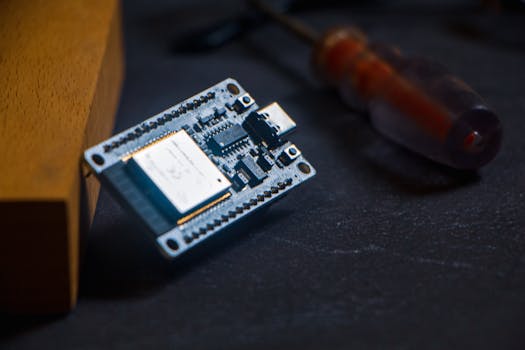
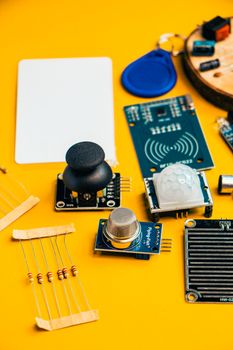
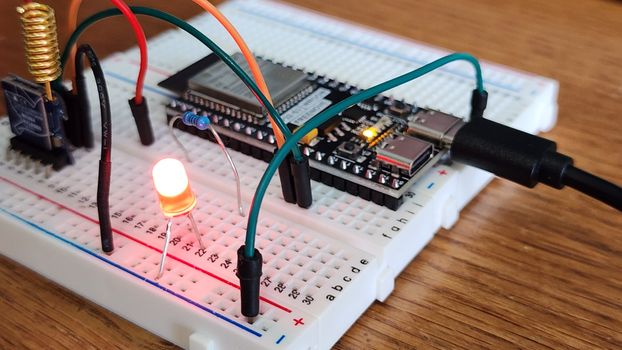
IoT begins at the edge. French companies working in industrial IoT (IIoT), smart buildings, and aerospace expect engineers to be comfortable with microcontrollers like STM32 (a French favorite thanks to STMicroelectronics), ESP32, and Raspberry Pi. You should know your way around C and C++, understand real-time operating systems (FreeRTOS, Zephyr), and be able to read a datasheet without breaking a sweat. This isn't optional. A generic software developer who has never touched a board won't survive a technical interview at a firm like Withings or Netatmo.
Connectivity Protocols
France has a particular fondness for LPWAN technologies. Sigfox may have struggled commercially, but its legacy means many French IoT teams still work with LoRaWAN, NB-IoT, and LTE-M. Knowing how to integrate these protocols, optimize power consumption, and debug network issues is a major plus. On the short-range side, BLE, Zigbee, and Thread appear constantly in smart home and industrial projects. If you only know Wi-Fi, you're limiting yourself severely.
Cloud and Data Engineering
Connected objects generate data. Lots of it. French employers want engineers who can push that data into cloud platforms like AWS IoT Core, Azure IoT Hub, or Google Cloud IoT. Familiarity with MQTT, Kafka, and time-series databases (InfluxDB, TimescaleDB) shows you understand the full pipeline. Python scripting is basically assumed at this point, and increasingly, employers expect some knowledge of edge computing frameworks like AWS Greengrass or Azure IoT Edge. My honest take: too many candidates focus only on the device side and neglect the cloud. That's a mistake.
Cybersecurity
This is where France differs from some other markets. With the ANSSI (the French national cybersecurity agency) setting strict guidelines and the EU Cyber Resilience Act reshaping compliance requirements, IoT security knowledge has moved from 'nice to have' to 'mandatory.' You should understand secure boot, encryption at rest and in transit, certificate management, and vulnerability assessment. If you can mention specific frameworks like ETSI EN 303 645 or IEC 62443 in an interview, you'll stand out. French employers take this seriously — and frankly, they should.
Software Development and DevOps Skills
Programming Languages That Matter
C and C++ dominate the embedded world, but Python, JavaScript (Node.js), and Go are increasingly relevant for gateway and backend work. Rust is gaining traction for safety-critical embedded applications, though adoption in France is still niche. Knowing Git, CI/CD pipelines (GitLab CI, Jenkins), and containerization (Docker, Kubernetes) is expected. An IoT engineer who can't deploy their own code is only half an engineer.
Edge and AI Integration
TinyML and edge AI are no longer buzzwords in France. Companies like Cartesiam (now part of NanoEdge AI) and various startups are pushing machine learning onto constrained devices. Basic knowledge of TensorFlow Lite for Microcontrollers or Edge Impulse can give you a real edge. It's not mandatory for every role, but it's a differentiator that hiring managers notice.
Soft Skills French Companies Actually Value
- Cross-functional communication: You'll often sit between hardware teams, software teams, and business stakeholders. Being able to explain technical trade-offs in clear French (or English in international teams) is essential.
- Adaptability: IoT projects in France often involve legacy industrial systems. You need patience and creativity to integrate old and new.
- Documentation discipline: French engineering culture values proper documentation. If you hate writing specs, you'll struggle.
- Language: While many tech roles operate in English, a working knowledge of French (B2 level minimum) dramatically improves your chances, especially outside Paris.
Practical Insights: What Hiring Managers Won't Tell You
After speaking with recruiters and engineers across France, a few patterns emerge. First, degrees still matter more in France than in, say, the UK or US. An engineering diploma from a school like Grenoble INP, INSA Lyon, or Télécom Paris carries weight. That said, a strong portfolio of real projects can compensate. Second, many companies use technical tests that involve debugging actual hardware — not just LeetCode-style algorithms. Third, the biggest mistake candidates make is overselling cloud skills while being unable to explain how a sensor node manages power. Be honest about your depth.
Another insider tip: networking through events like IoT World Paris or meetups organized by French IoT clusters (Minalogic in Grenoble, Systematic Paris-Region) can bypass the HR filter entirely. Personal referrals are powerful in this market.
Market and Career Outlook in France
The French IoT market is projected to grow at a compound annual growth rate of around 12% through 2028, according to industry analyses. Salaries reflect the demand. In 2026, a junior IoT engineer in France earns between €38,000 and €45,000 annually. Mid-level engineers with 3–5 years of experience command €48,000 to €60,000. Senior or lead IoT engineers can earn €65,000 to €85,000, with Paris offering a premium of 10–15% over other regions. Contracting and freelance rates range from €450 to €700 per day. Compared to general software engineering roles, IoT engineering pays slightly less at the junior level but catches up and often surpasses at senior levels due to the specialized skill set.
How France Compares to Other IoT Job Markets
Compared to Germany, French IoT salaries are marginally lower, but the cost of living in cities like Nantes, Lyon, or Toulouse is more reasonable. Compared to the UK, France offers stronger job stability and better work-life balance, which many engineers value. The French tech ecosystem is also more state-supported, with subsidies and research grants fueling innovation. On the other hand, the UK and Germany have larger IoT markets in absolute terms. For an IoT engineer, France represents a solid middle ground: meaningful projects, decent pay, and a lifestyle that doesn't revolve entirely around work.
FAQ
Do I need to speak French to work as an IoT engineer in France?
Not always. International companies and startups in Paris often work in English. However, outside major cities and in industrial sectors, French is usually required. Aim for at least B2 level.
Which certifications are most valued?
Certifications like AWS Certified IoT Developer, Certified IoT Security Practitioner (CIoTSP), and LoRaWAN certifications from the LoRa Alliance are recognized. French employers also appreciate ANSSI-related security training.
Is a master's degree necessary?
A master's or engineering diploma is the standard path in France, but it's not absolute. A strong portfolio and relevant experience can open doors, especially in startups.
What industries hire the most IoT engineers in France?
Industrial manufacturing, aerospace, smart buildings, healthcare, and agriculture are the biggest employers. Telecommunications and automotive are also significant.
Final Thoughts
Becoming an IoT engineer in France isn't about ticking every box on a job description. It's about demonstrating that you can think across domains — from a microcontroller's sleep cycle to a cloud dashboard's latency. The skills required are demanding, but the market rewards those who invest in them. If you're willing to learn French, embrace the hardware-software hybrid nature of the role, and stay curious about security and edge computing, France offers a genuinely rewarding career path. Just don't expect anyone to hand it to you. The competition is real, but so is the opportunity.