Remote SCADA Engineer Jobs in Ireland: A Market Snapshot for 2026
Ireland's industrial automation sector is experiencing a quiet but powerful shift. While Dublin's tech scene grabs headlines, a less visible trend is reshaping the career landscape for controls and automation professionals: the rapid rise of remote SCADA engineering roles. In 2026, over 40% of SCADA engineer job postings in Ireland now offer some form of remote or hybrid work, a figure that would have seemed implausible five years ago.
This isn't just a post-pandemic holdover. It's a structural change driven by the convergence of Ireland's pharmaceutical, data centre, and renewable energy booms, all of which rely heavily on SCADA systems to monitor and control critical infrastructure.
For SCADA engineers, this opens a door that was previously bolted shut. You no longer need to relocate to Cork or Dublin to work on cutting-edge automation projects. But the remote market in Ireland has its own quirks, and not all opportunities are created equal. This article breaks down what you need to know to navigate it successfully.
Why Ireland Is a Hotspot for Remote SCADA Roles
Ireland punches above its weight in several industries that are intrinsically tied to SCADA technology. The country is home to nine of the world's top ten pharmaceutical companies, a thriving data centre ecosystem (Dublin alone hosts more than 70 data centres), and an expanding renewable energy sector that demands sophisticated grid monitoring. Each of these industries relies on SCADA systems to ensure operational continuity, regulatory compliance, and safety.
The demand for SCADA engineers in Ireland has grown by approximately 18% year-over-year since 2023. What's more telling is the geographic distribution of these roles. While Dublin and Cork still account for the majority of job postings, remote positions are increasingly offered by companies based in Limerick, Galway, and even rural Ireland. This decentralisation is partly a response to the housing crisis in major cities and partly a recognition by employers that SCADA expertise is scarce and location flexibility is a powerful recruitment tool.
What Does a Remote SCADA Engineer Actually Do?
SCADA engineers design, implement, and maintain systems that collect data from industrial processes and allow operators to control them remotely. In a remote work context, the day-to-day responsibilities shift slightly. You'll spend less time on-site commissioning hardware and more time on system architecture, programming, troubleshooting, and cybersecurity.
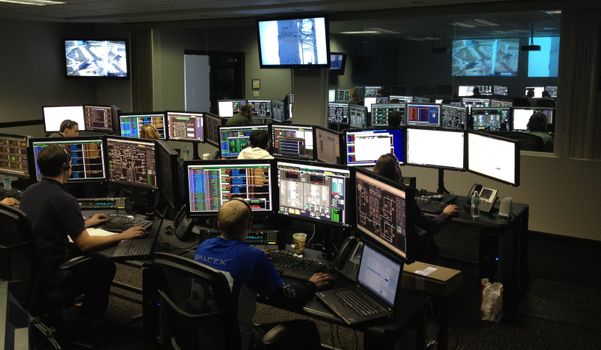
A typical remote SCADA engineer in Ireland might start their day reviewing alarms and performance logs from a pharmaceutical plant in Ringaskiddy. By mid-morning, they could be updating HMI screens for a wind farm in Donegal. The afternoon might involve collaborating with a site-based technician via video call to diagnose a communication fault. The work is intellectually demanding and often high-stakes. A misconfigured SCADA system can halt production or compromise safety, so attention to detail is non-negotiable.
Core Responsibilities
- Designing and configuring SCADA software (Ignition, Wonderware, Siemens WinCC, etc.)
- Programming PLCs and RTUs for data acquisition and control
- Developing and maintaining HMI interfaces
- Implementing cybersecurity measures for OT networks
- Troubleshooting communication protocols (Modbus, OPC UA, DNP3)
- Collaborating with cross-functional teams, often across multiple time zones
Essential Skills for Remote SCADA Jobs in Ireland
The technical bar for remote SCADA roles is high. Employers expect you to hit the ground running without the safety net of on-site support. While specific requirements vary, certain skills appear consistently in job descriptions across Ireland.
Technical Competencies
- SCADA Platforms: Ignition, Wonderware (AVEVA), Siemens WinCC, Rockwell FactoryTalk
- PLC Programming: Allen-Bradley, Siemens, Schneider Electric
- Communication Protocols: Modbus TCP/IP, OPC UA, DNP3, Profinet
- Networking: VLANs, firewalls, VPNs, and OT-specific security practices
- Databases: SQL Server, Historian databases (e.g., OSIsoft PI)
- Scripting: Python, PowerShell, or VBA for automation and reporting
Soft Skills That Matter More Than You Think
Remote work amplifies the importance of communication and self-management. You'll be expected to document your work meticulously, participate actively in virtual meetings, and flag issues before they escalate. Employers in Ireland consistently highlight reliability and clear communication as differentiators. If you're the type of engineer who prefers to silently fix problems without updating the team, remote work will expose that weakness quickly.
Salary Expectations for Remote SCADA Engineers in Ireland
Salaries for SCADA engineers in Ireland have risen steadily, reflecting both inflation and the scarcity of qualified professionals. In 2026, the average base salary for a mid-level SCADA engineer is €62,000. Senior engineers with specialised skills in cybersecurity or legacy system migration can command €85,000 to €95,000. Lead or principal roles at multinationals often exceed €110,000, with additional bonuses and stock options.
Remote roles tend to offer salaries comparable to on-site positions, though some employers attempt to adjust pay based on location. This practice is less common in Ireland than in the US, partly due to the country's smaller geographic size and the relatively uniform cost of living outside Dublin. That said, candidates should be prepared to negotiate. A remote SCADA engineer working for a Dublin-based company while living in Mayo can expect the same salary band as a Dublin-based counterpart, but this isn't guaranteed. Always clarify salary structure early in the hiring process.
Salary Breakdown by Experience Level (2026)
- Junior (0-2 years): €38,000 – €48,000
- Mid-level (3-5 years): €52,000 – €68,000
- Senior (6-10 years): €72,000 – €95,000
- Lead/Principal (10+ years): €100,000 – €120,000+
Top Industries Hiring Remote SCADA Engineers in Ireland
Not all industries are equally open to remote SCADA work. Some require physical presence for regulatory or safety reasons, while others have embraced distributed teams wholeheartedly.
Pharmaceuticals and Biotech
Ireland's pharmaceutical sector is the largest employer of SCADA engineers. Companies like Pfizer, Janssen, and AbbVie operate massive facilities that depend on SCADA for everything from cleanroom monitoring to batch processing. Remote work is common for system upgrades, data analytics, and validation projects, though on-site presence is still required for commissioning and audits.
Data Centres
The data centre boom shows no signs of slowing. SCADA engineers are needed to monitor power distribution, cooling systems, and environmental controls. Many data centre operators now run remote operations centres, creating genuine remote opportunities. The catch: these roles often involve shift work, including nights and weekends.
Renewable Energy
Wind and solar farms are inherently remote, so it's no surprise that SCADA roles in this sector are remote-friendly. Engineers monitor turbine performance, grid integration, and battery storage systems from centralised control rooms or home offices. The growth of offshore wind projects off Ireland's coast is expected to create hundreds of new SCADA positions over the next five years.
Food and Beverage
While less glamorous, the food and beverage industry offers steady SCADA work. Remote roles are less common here due to the hands-on nature of production lines, but larger processors are increasingly adopting remote monitoring solutions.
How to Land a Remote SCADA Job in Ireland
The competition for remote SCADA roles is fiercer than for on-site positions. Employers receive more applications, and they can afford to be selective. Here's how to stand out.
Tailor Your CV to Remote Work
Highlight your experience with remote troubleshooting, virtual collaboration tools, and independent project management. If you've worked on projects where you were the sole engineer responsible for a system, make that clear. Employers want to know you can operate without constant supervision.
Certifications That Carry Weight
- Ignition Gold Certification – Highly valued for SCADA development roles
- Cisco CCNA – Demonstrates networking competency, critical for OT environments
- ISA/IEC 62443 Cybersecurity Certifications – Increasingly required for SCADA roles
- Rockwell Automation certifications – Essential for roles using Allen-Bradley PLCs
Network Strategically
Ireland's automation community is small and interconnected. LinkedIn is useful, but joining professional organisations like the Irish Automation Alliance or attending virtual meetups can give you an edge. Many remote roles are filled through referrals before they're ever advertised.
Prepare for Technical Assessments
Remote hiring processes often include practical assessments. You might be asked to design a simple SCADA system, troubleshoot a simulated network issue, or write a script to parse alarm data. Practice these tasks beforehand. Companies like Siemens and Rockwell offer free trial versions of their software, which you can use to build a portfolio.
Common Mistakes to Avoid
Candidates often stumble in predictable ways when applying for remote SCADA roles. Overemphasising on-site experience without demonstrating remote capability is a common error. Another is ignoring cybersecurity. In 2026, every SCADA job interview includes questions about securing OT networks. If you can't discuss firewalls, network segmentation, or the Purdue Model, you'll be filtered out.
Finally, don't underestimate the importance of time zone flexibility. Many remote SCADA roles in Ireland involve collaboration with teams in the US or Asia. Being available for occasional early-morning or late-evening calls is often a tacit requirement.
Market Outlook: 2026 and Beyond
The demand for remote SCADA engineers in Ireland will continue to grow. The country's commitment to renewable energy targets, combined with ongoing investment in pharmaceutical and data centre infrastructure, ensures a steady pipeline of projects. Cybersecurity concerns will drive demand for engineers who can secure legacy SCADA systems, many of which were designed without security in mind.
Salaries are expected to rise by 4-6% annually, outpacing general inflation. Remote work, once a perk, is becoming an expectation. Companies that resist flexible arrangements will struggle to attract top talent. For engineers with the right skills, the leverage is real. Use it.
Frequently Asked Questions
Can I work remotely for an Irish company while living abroad?
It's possible but complicated. Tax residency, GDPR compliance, and employment law all come into play. Some Irish companies hire contractors internationally, but most prefer candidates already resident in Ireland or the EU. If you're outside the EU, expect additional hurdles.
Do I need a degree to get a remote SCADA job in Ireland?
A degree in electrical engineering, automation, or a related field is common but not always mandatory. Practical experience and certifications can sometimes substitute. That said, larger multinationals often use degree requirements as a screening tool.
What's the typical interview process for remote SCADA roles?
Expect a phone screen, a technical interview (often involving a practical assessment), and a final interview with the hiring manager. Some companies include a culture-fit interview. The process usually takes two to four weeks.
Are there part-time or contract remote SCADA opportunities in Ireland?
Yes. Contract roles are common, especially for project-based work like system migrations or upgrades. Part-time positions are rarer but do exist, particularly with smaller integrators.
How important is cybersecurity knowledge for SCADA roles?
Critical. OT cybersecurity is no longer a niche skill. Employers expect SCADA engineers to understand network segmentation, access controls, and incident response. If you lack this knowledge, invest in a certification like ISA/IEC 62443.
Final Thoughts
Remote SCADA engineering in Ireland is a genuine career path, not a temporary trend. The combination of industrial demand and skills scarcity gives engineers real bargaining power. But remote work isn't for everyone. It requires discipline, clear communication, and a willingness to work independently. If you can demonstrate those qualities alongside technical expertise, you'll find no shortage of opportunities. Ireland's industrial sector needs you. The question is whether you're ready to work from home without missing a beat.