So, you're thinking about becoming a SCADA engineer in France? Maybe you're already an engineer eyeing the French market, or perhaps you're just starting out and wondering what it really takes. The truth is, the job is nothing like the glossy job descriptions make it sound. It's a mix of deep technical know-how, a dash of diplomacy, and a surprising amount of time in the field, sometimes in the middle of nowhere, staring at a cabinet full of wires.
And here's the thing: France has its own unique flavor of SCADA work, shaped by its industrial champions and a very particular set of expectations. If you're not prepared for those, you'll find the door firmly shut, no matter how good you are on paper.
Let's break down what the French market is actually looking for, based on what insiders know and what job ads actually say.
What Does a SCADA Engineer Actually Do in France?
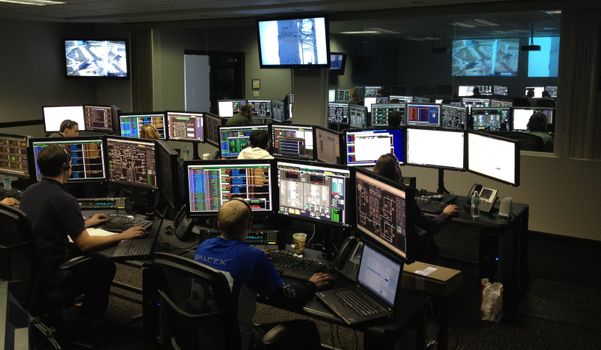
Before we dive into the skill list, let's clear something up. A SCADA engineer in France isn't just someone who babysits HMI screens all day. You're the person who designs, deploys, and maintains the systems that keep critical infrastructure running: water treatment plants, power grids, wind farms, manufacturing lines, even building management systems. In France, this role often sits right at the intersection of OT (Operational Technology) and IT, which makes it both technically challenging and strategically important. You'll be expected to handle everything from PLC logic to network security.
But honestly, the best SCADA engineers in this country are the ones who can handle the mess. They can be in a dusty control room at 3 AM, figuring out why a remote terminal unit isn't responding, and then present a clear report to management the next morning. It's a role that demands a rare mix of hands-on grit and polished communication.
Core Technical Skills for SCADA Engineers in France
1. SCADA Platforms: Know the Local Favorites
France has a particular taste in SCADA platforms, shaped by its industrial powerhouses like EDF, Veolia, and Schneider Electric. You'll find a lot of legacy and current deployments on Vijeo Citect (now part of AVEVA), PEC VUE, and ClearSCADA. But the big one that dominates is Wonderware (AVEVA)—it's everywhere in the French water and energy sectors.
If you're coming from abroad, don't assume your PLC background alone will open doors. You need at least one or two of these platforms on your CV, and the more local the better. I've seen candidates with only Allen Bradley experience get passed over simply because they didn't know Schneider or AVEVA, even though the logic is transferable. The French market rewards specificity—it's a bit like showing up to a French dinner party with a decent bottle of Bordeaux instead of a six-pack of imported beer.
2. PLC and Automation Skills: The Non-Negotiable Base
You cannot be a SCADA engineer in France without solid PLC skills. Most SCADA systems talk to PLCs, and if you don't understand how they work, troubleshooting becomes pure guesswork. The expected brands are Schneider Electric (Unity Pro, EcoStruxure) and Siemens (TIA Portal). Those are the two you'll see in job ads over and over again.
Knowing legacy systems like Modicon or S5 can give you an edge too—a lot of French infrastructure still runs on older gear, and someone needs to keep it alive. It's not glamorous, but it pays. Honestly, nobody cares if you can code Python if you can't figure out why a PLC isn't sending data to the historian. That hands-on understanding is your daily bread. I've had engineers come to me with impressive Python portfolios, but they couldn't debug a simple Modbus issue, and that was the end of the conversation.
3. Communication Protocols: Speak the Language of Machines
If the PLC is the heart, protocols are the veins. In France, you need to be comfortable with Modbus TCP/IP, OPC UA, and IEC 61850 if you're in the electrical sector. The push for digitalization and smart grid integration is making OPC UA more critical than ever. I've also noticed a growing number of job postings asking for MQTT and REST API experience—that's the IIoT wave finally hitting the French market.
If you're just starting out, master OPC UA. It's the lingua franca of modern SCADA, and it shows you're not stuck in 2005. A quick tip: don't just list the protocol names on your CV—be ready to explain how you've used them in a real project. Interviewers in France love to ask for specific examples, and if you can't give one, you've just lost the edge.
4. Networking and Cybersecurity: OT Security Is a Must
France has been hammering on about OT security since the TV5Monde attack in 2015, and it's become a real hiring filter. You need to know about VLANs, firewalls, and segmentation—not necessarily to design them, but to understand what you can and cannot do. SCADA engineers must work with IT teams to apply security patches without breaking production.
The 2017 WannaCry ransomware attack was a wake-up call in many French factories, and now even mid-sized companies are asking for experience with ANSSI guidelines. If you're missing this skill, you're missing a major checkbox. I'd go as far as saying that around 70% of the job descriptions I've seen in the last two years list cybersecurity as a required or strongly preferred skill. Showing that you understand the OT security landscape is like having a golden ticket—companies are desperate for engineers who can secure their operations without sacrificing uptime.
Soft Skills and Languages: The French Twist
1. French Language: More Important Than You Think
This might surprise you, but the number one filter for non-native speakers is French. Not because the work is all in French—some documentation is in English, especially if you deal with global brands—but because you'll be onboarding with local teams, reading French technical specs, and interacting with clients. Most job ads require fluent French (C1 or native). There are exceptions in international companies or on expat-heavy projects, but they are rare.
Even a bilingual SCADA engineer will have a hard time finding a role if their French is below B2. It's not just about language; it's about trust. French managers want to know you can argue your point in a meeting or write a clear modification report in their language. I've seen brilliant engineers lose out on a job simply because they couldn't comfortably hold a technical conversation in French. If you're serious about this, start practicing now.
2. On-Site Presence and Mobility
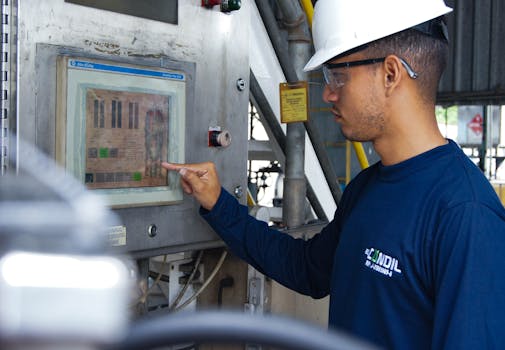
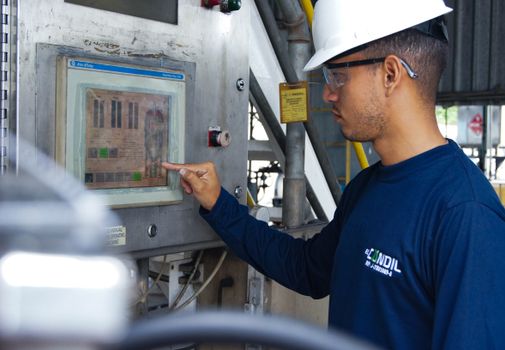
Another thing that comes up in almost every French SCADA job description is mobility. You'll be expected to travel to sites: water treatment plants, wind farms, or substations. Sometimes it's 30% of your week, sometimes more. If you live in Paris but the role is based in the Alps and you refuse to move, that's a no. Be upfront about your willingness to be on-site, because remote-only SCADA roles are still the exception, not the rule.
One insider tip: French companies love engineers who have a driving license and are comfortable being in industrial environments. It sounds trivial, but you'd be surprised how many candidates are stunned when they're asked to climb a ladder to a control panel. That's part of the job, and if you're not ready for it, you might want to rethink your path.
Industry-Specific Knowledge: The Differentiator
France's industry isn't uniform. Your skills need to fit the vertical you're targeting. If you're into energy, know about IEC 60870-5-104 or DNV GL for renewables. If you're in water/wastewater, expect to see a lot of Telemetry and remote terminal units (RTUs)—think of companies like SUEZ. If you're in transport, you'll need to understand rail-specific SCADA (like PISTE for RATP) or traffic management systems.
Experienced SCADA engineers in France often say that about 50% of the skills are transferable, and the other 50% are vertical-specific. You can get away with not knowing the industry, but your first six months will be a grind. If you're smart, you'll pick a sector and stick with it. Build a niche, and you become much harder to ignore.
Certifications and Education: What Matters in the French Market
Formal education is important in France—a Master's degree in automation, electrical engineering, or computer science is standard. But what truly sets you apart are certifications like TÜV Functional Safety or AVEVA/Wonderware certifications. They show you're not just a theory person. The French job market is credential-conscious, so don't be lazy about renewing expired certs.
Also, keep an eye on emerging skills like Cloud-based SCADA (SaaS)—some French startups are pushing that, even if traditional industries are slower to adopt. That forward-looking mindset can give you an advantage in interviews. If you can talk about how SCADA could integrate with cloud analytics, you're already ahead of half the competition.
Market and Career Outlook for SCADA Engineers in France
Here's a reality check: the SCADA engineer role got a huge boost after the 2022 global energy crisis. France doubled down on nuclear power, pushing new plant constructions and retrofits, and there's also the massive push for renewable energy integration. According to GRTgaz and Enedis, grid upgrades for distributed energy alone will require hundreds of new SCADA engineers by 2030. On top of that, the French government's injection of €100 billion for industrial recovery (France Relance) has funded many automation upgrades in manufacturing, directly boosting demand.
Salaries have followed the trend. As of 2026, a mid-level SCADA engineer in France earns around €45,000–€55,000 per year, while senior specialists can reach €65,000+ in sectors like nuclear or offshore wind. That's a solid bump from a few years ago. But the trade-off is job security vs. constant skill reinvention. The on-site, OT nature of the work makes it less likely to be outsourced than pure IT roles, which is good news for long-term stability. Yet you're never done learning: new protocols, security standards, and software versions keep appearing.
SCADA vs. PLC Engineer: What's the Difference?
If you're new to the field, you might wonder: what's the difference between a SCADA engineer and a PLC engineer? In France, they're often mixed up, but they're distinct roles. A PLC engineer focuses on the logic within the PLC—writing code, debugging, and optimizing processes. They might use minimal HMI, but their world is the controller.
A SCADA engineer, on the other hand, works on the top layer: the visualization, the databases, the communication from the PLC up to the client. They don't write ladder logic every day; they configure data points, build screens, and ensure the system runs smoothly. The crossover is real, though. French companies frequently look for someone who can handle both, despite different job titles.
If you're coming from a PLC-only background, you'll need to upskill on databases (SQL) and perhaps Python for scripting. And if you're coming from IT, understanding PLCs isn't optional—it's the whole point. In my experience, the best SCADA engineers are those who respect both sides, even if they excel at one. The job is about coordination, not isolation.
Common Mistakes to Avoid When Applying in France
One big mistake is underestimating the importance of the CV and cover letter in French. Even if the job description is in English, sending an application in English when you're not applying for a global team can be a red flag. I've seen recruiters toss CVs instantly just because they weren't in French. It's a small effort that shows respect for the local market.
Another mistake is not tailoring your skills to the job ad. A generic CV listing every SCADA platform you've ever touched comes across as unfocused. Instead, highlight your experience with the exact platform the company uses. If they're an AVEVA shop, make that the lead of your CV.
Also, many engineers neglect to mention their soft skills. French managers love someone who can work with maintenance teams and explain technical issues to non-engineers. That skill doesn't show up in test results but makes you essential. And finally, don't ignore the power of networking. LinkedIn is huge in France, and joining OT/cyber security groups can lead to referrals. The job market is competitive, but it's also wide open for someone who's got the right combination of skills and the right attitude.
FAQ
Is French language mandatory for a SCADA engineer job in France?
Yes, for most roles. Around 80% of job offers require fluent French. Exceptions exist in international companies or on expat contracts, but they're rare. A B2 level is the minimum, but C1 is often preferred.
What is the salary range for a SCADA engineer in France in 2026?
Mid-level engineers earn between €45,000 and €55,000 per year. Senior positions can go up to €65,000+, especially in energy sectors like nuclear or renewable integration.
Which SCADA platforms are most in demand in France?
AVEVA (Wonderware), Schneider Electric, and Ignition are growing in popularity. Legacy platforms like Citect are still present but losing ground. Knowing AVEVA or Schneider gives you the best chance.
Do I need PLC skills to become a SCADA engineer in France?
Yes, having a solid understanding of PLCs is essential. It's almost impossible to troubleshoot SCADA systems without understanding how PLCs work. Schneider and Siemens are the most common brands in France.
How can I get started if I'm switching from another country to France?
Start by improving your French to at least B2. Next, target industries with skills shortages, like energy or water utilities. Familiarize yourself with local standards and cybersecurity practices (like ANSSI). Finally, connect with recruiters specializing in industrial automation—they can open doors you won't find on job boards.
Final Thoughts
Becoming a SCADA engineer in France isn't just about ticking boxes; it's about proving you can handle the stress of real-world operations. You need technical depth, yes, but also flexibility, communication, and a genuine willingness to immerse yourself in French work culture.
The market here is strong, but it's picky. If you invest in the right skills—especially around OT security and modern SCADA platforms—you'll find doors opening. And once you're in, it's a career with exceptional stability in a country that values engineering. You just need to show you're not just a tech wizard, but someone who can solve problems in the field, under pressure, and in the language of the people who call France home.