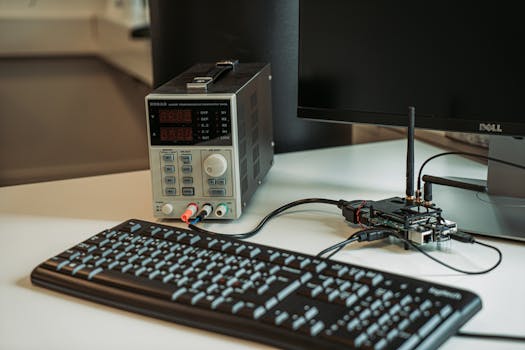
Have you ever wondered what a PLC programmer actually earns in France? Maybe you're thinking about a career switch, or perhaps you're an employer trying to figure out a fair offer. Either way, it's not as straightforward as checking a single number. In 2026, the average gross annual salary for a PLC programmer sits at around €45,000—but that's just the middle of the story. Entry-level roles start near €32,000, while seasoned engineers can pull in over €65,000. What makes the difference? Experience, location, industry, and the complexity of the systems you handle.
Let's be real: PLC programming isn't your typical software gig. It's an industrial trade that demands a knack for electrical schematics, control logic, and mastering platforms like Siemens, Schneider Electric, or Rockwell. And because these specialists are hard to find, companies in high-stakes fields—think automotive or pharma—are willing to pay a premium for someone who won't let them down.
Average Salary by Experience Level
Here's the typical salary ladder, based on French job boards and salary surveys from early 2026.
- Junior PLC Programmer (0-2 years): Gross annual salary between €32,000 and €38,000. You'll be assisting senior engineers, writing basic logic, and learning the ropes during on-site commissioning.
- Mid-Level PLC Programmer (3-7 years): Gross annual salary between €40,000 and €52,000. At this point, you can manage small projects solo, design control panels, and handle field modifications without constant supervision.
- Senior PLC Programmer (8+ years): Gross annual salary between €55,000 and €65,000. Seniority brings project leadership, system architecture decisions, and often team oversight.
But these numbers aren't set in stone. A senior who knows TIA Portal or safety PLCs can push up to €72,000 in certain hot sectors. Plus, getting certified in specific platforms can bump your average by about 8%. The experience-to-salary curve climbs steadily until around 10 years—then it flats out unless you move into management or consulting.
Regional Salary Variations
Where you work in France changes what you'll earn. It's all about industrial density and living costs. Check this out:
- Île-de-France (Paris area): Top dollar here, with mid-level pros averaging €51,000. The cluster of engineering consultancies and manufacturing HQds drives those premiums.
- Auvergne-Rhône-Alpes: A major industrial hub after Paris, offering about €47,000 on average. Lyon and Grenoble are hotspots for automation startups and smart factories.
- Provence-Alpes-Côte d'Azur: Aerospace and marine industries dominate, with an average of €45,000. Defense sector demand for PLC skills is growing too.
- Occitanie: Toulouse's aeronautics and food processing automation bring the average to €42,000—and the lower cost of living helps stretch that.
- Bretagne and Normandy: Strong in agri-food and shipbuilding, averaging €41,000, plus many jobs throw in profit-sharing perks.
The pattern? Big industrial or high-tech regions pay above average. But rural spots might offer less cash—yet you'll likely save on housing and commuting, balancing things out.
Salary by Industry Sector
Your employer's industry matters a lot. Different sectors have different automation needs and safety rules.
- Automotive Manufacturing: Robust PLC systems keep high-volume lines moving. Average salary: €49,000. The electric vehicle shift is boosting demand for helpline battery handling and assembly logic.
- Pharmaceuticals and Biotechnology: GxP validation and batch control add complexity, pulling salaries to €52,000 on average. Knowing GMP compliance is a big plus.
- Energy and Utilities: Power generation and renewables rely on PLCs for grid stability. Average: €48,000, with strong prospects as solar and wind projects expand.
- Food and Beverage: Balancing cost efficiency with food safety. Salaries range from €40,000 to €44,000—still attractive, just a bit lower than heavy industry.
- Engineering Consultancies: Mid-level pay sits between €45,000 and €50,000, but be ready for frequent client-site travel, which often adds extra allowances.
Pharma and automotive top the pay charts because downtime is expensive. Smaller regional integrators might pay less, but you'll get hands-on experience with a variety of tech, which can speed up your learning curve.
Key Benefits and Compensation Components
In France, it's not just about the base salary. The whole package matters.
- Annual Bonus: Usually 5-10% of base pay. In large firms, profit-sharing can add another 10%.
- On-Site Allowances: Since you'll often be at client sites, expect €50-€80 per day in tax-free travel allowances if you document them.
- Overtime Pay: Industrial projects can run long. French labor law mandates 125% to 150% pay for hours beyond the standard 35-hour week.
- Company Vehicle: For traveling consultants, a car or leasing allowance is common, worth about €5,000 a year in salary terms.
- Private Health Insurance (Mutuelle): Mostly employer-paid, covering over 50% of preventive care and consultations.
A senior programmer with a €55,000 base could easily reach €62,000 in total gross when bonuses and allowances are added, depending on project intensity.
Skills That Boost Earning Potential
Your toolkit directly impacts your market value. Employers search for specific keywords—so make sure these are on your resume.
- PLC Platform Expertise: Siemens TIA Portal (Step 7) is a must-have in France. Schneider Electric Unity Pro and Modicon are also key. If you don't know Siemens, your offers might be stuck at the lower end. Knowing multiple platforms can add €3,000 a year.
- Industrial Networking: Industry 4.0 is driving demand for Ethernet/IP, Profinet, and OPC-UA skills. Want to connect PLCs to MES or SCADA? You could earn about 6% more.
- Safety Systems: Programming safety PLCs like Pilz, SICK, or Siemens F-series is niche, and top positions pay €65,000 to €68,000 for that expertise.
- Robotics Integration: Pairing PLCs with robotic arms (KUKA, ABB) is highly valued in manufacturing, adding up to €5,000.
- Data Analytics: Basic Python or SQL for predictive maintenance makes you more competitive—though it's not always a hard requirement.
Diversifying your skills is one of the fastest ways to push your salary beyond the experience curve.
Career Progression and Salary Impact
Moving up can lead to predictable raises. Here's what your career path might look like:
- Control Systems Engineer: A natural next step, involving hardware design. Average salary: €54,000, a 10% bump.
- Automation Project Manager: Requires management skills but pays around €60,000—a 20% jump from mid-level.
- Functional Safety Engineer: Specializing in safety analysis can exceed €65,000, given the liability and technical demands.
- Engineering Consultant (Freelance): Experienced pros charge daily rates of €600-€700, which could translate to over €80,000 annually if you stay busy.
Freelancing is another option. Many companies hire temp PLC programmers for specific projects. As a freelancer, you might charge €350-€420 a day—after deducting downtime and social contributions, you could end up near the top in-house salaries. But be ready for admin work and self-marketing.
Salary Comparison with Other Engineering Roles
Where does PLC programming stand next to other engineering jobs?
- Software Developer (General): Average is €48,000. PLC programmers earn slightly less on average, but the skill shortage in France means faster salary growth.
- Electrical Engineer: Averages €43,000, so PLC programmers hold a 5% edge due to extra control expertise.
- Automation Engineer (Robotics): Pure robot programming averages €50,000, mostly in automotive. But PLC skills are more versatile, so you're less exposed to industry shifts.
- Industrial Data Scientist: Fetches €58,000, but it needs analytical skills you could learn alongside PLC work.
Overall, PLC programming sits in the middle bracket of engineering pay in France, but it's more stable than consumer tech roles.
Hiring Trends and Skill Demand
Right now, France has a serious shortage of PLC programmers. There's a deficit of about 10,000 automation engineers, partly because 35% of the current workforce is retiring by 2030. This crunch is pushing employers to offer above-average salaries and fund internal training programs.
What else is happening?
- Machine learning is creeping into PLC code optimization, but the core still needs human expertise.
- Decarbonization is driving projects to make plants more energy-efficient—which often means updating old PLC logic.
- "Software-Defined Automation" from companies like Beckhoff is slowly making inroads, but French industry sticks with traditional vendors, so migration projects are plentiful.
- Remote work isn't common—you need to be on-site for debugging and commissioning. Most roles require at least 80% on-site work, so regional pay gaps aren't "remotely" compensated.
Frankly, employers are desperate for people who can work with both legacy systems and modern architectures. They're even offering sign-on bonuses to get the right talent.
Future Outlook to 2030
The outlook for automation engineering in France is bright. The government's Plan France Relance is funding industrial modernization, with a focus on automation to boost competitiveness. That means steady investment in new PLC installations and upgrades.
By 2030, expect PLC programmers with predictive maintenance skills to be in high demand. Standardized architectures for data integration will push salaries up about 2.5% annually, slightly above inflation. The top earners will be those who combine PLC expertise with IIoT platforms and cybersecurity know-how.
And the demand isn't just from old-school manufacturing. Aquaculture, warehouse logistics, and renewable energy storage are all needing PLC-driven control systems. That diversity shields you from sector downturns.
How to Negotiate a Better PLC Salary
Want to boost your negotiating power? Here's what to focus on:
First, read the job description carefully. Some "PLC Programmer" roles are actually control panel wiring design. If they expect hardware engineering, your base should be at least 12% above industry average.
Second, if the job demands travel more than three days a week, push for a higher travel allowance or perks like a company car. The money's nice, but the time away is valuable too.
Third, document your project wins. Show how you've commissioned lines with minimal downtime—that's proof you're worth an extra €2-3,000 a year.
Finally, get vendor certifications, like Siemens Certified Automation Professional. They cut training time for employers, so they're a solid bargaining chip.
Frequently Asked Questions
Is a PLC programmer considered an engineer in France?
Often yes, but it's not a protected title. Even with a Bac+2 (DUT/BTS), a strong portfolio can land you the same jobs and pay as someone with an engineering degree.
What is the hourly rate for freelance PLC programmers?
Freelance rates range from €35 to €50 per hour, depending on experience and sector. Automotive projects might pay more; regional SMEs less. A daily rate of €300-€400 is common.
Which region in France pays the most to PLC programmers?
Île-de-France leads with an average of €51,000 for mid-career roles, especially in systems integrators and R&D centers. Hauts-de-France also pays well, thanks to its chemical industry.
Does prior experience in another engineering field help?
Yes, especially if you've done electrical design or mechanical commissioning. Multi-skill engineers adapt faster and can ask for 3-5% more—it's a real advantage.
How often should a PLC programmer expect a salary review?
Annual reviews are common in large companies, but every two years is typical. Given the shortage, you might successfully request a mid-project review after a major win—documented results speak volumes.
Conclusion
So, what's the takeaway? In 2026, a PLC programmer in France earns, on average, around €45,000, but that number can climb past €65,000 with the right mix of experience, skills, and industry. The demand is strong, the supply is short, and that gives you real bargaining power. Whether you're just starting, thinking about a specialization, or planning to negotiate your next raise, understanding these factors helps you set realistic expectations and get what you're worth.