You know that feeling when you've spent hours on job boards, wondering if your PLC skills could actually land you a remote role in Germany? Maybe you're already there, sick of the daily commute to the factory floor. Or perhaps you're an expat, eyeing the German market from abroad, and the questions keep piling up: Will they even trust remote automation work? Do I need perfect German? Is the competition just too fierce?
Those doubts are totally normal. But here's the deal: the landscape has changed, and remote PLC roles in Germany aren't just a pipe dream anymore—they're a growing reality. Let's cut through the noise and give you a practical, straight-up look at what it takes to snag one of these positions in 2026.
Why Remote PLC Jobs in Germany Are on the Rise
Germany runs on automation, and right now, the demand for PLC programmers is through the roof. The push toward Industry 4.0 and IoT means factories are getting smarter, and all those existing systems need constant updates and optimization. Industry reports project the German automation sector to grow by over 6% annually through 2026, fueled by investments in smart manufacturing and renewable energy. That growth equals a serious need for programmers who can handle Siemens TIA Portal, Rockwell, and Beckhoff systems.
What's really changed is the acceptance of remote work. A 2025 survey by the German Engineering Federation (VDMA) found that nearly 40% of automation companies now offer some form of remote or hybrid work for their software engineers—a huge jump from just 15% in 2020. The pandemic proved that a lot of PLC programming—writing code, simulating processes—can be done effectively from home. The catch is commissioning and on-site troubleshooting, but if you're okay with traveling 20-30% of the time, full-time remote or heavily hybrid roles are now pretty common.
What You Need to Land a Remote PLC Job in Germany
Technical Skills That Matter
Let's be real: if you don't have hands-on experience with Siemens S7-1200/1500 and TIA Portal, you're already behind. German industry is Siemens-dominated, and most job listings will list that as a requirement. Beckhoff TwinCAT is also highly valued, especially in machine building in places like Baden-Württemberg and Bavaria. Rockwell and ABB are less common but show up in specific industries like automotive and food & beverage.
Beyond the core PLC platforms, you'll want to be comfortable with:
- HMI/SCADA systems (WinCC, Ignition, or similar)
- Industrial communication protocols (Profinet, Profibus, Ethernet/IP, Modbus)
- Safety PLCs (SIL-rated programming, TÜV certifications are a plus)
- Version control systems (Git is becoming standard even in automation)
- Basic knowledge of IIoT and cloud connectivity (AWS or Azure basics)
If you've got experience with robot programming (KUKA, ABB) or vision systems, that's a massive advantage. A lot of remote roles involve integrating these components into complete automation solutions.
Language Skills: How Much German Do You Really Need?
Here's where opinions split, but I'll give you mine: for remote roles, German is more important than you'd think, but it's not always a deal-breaker. If the company is international or your team is distributed, English might be enough. However, the majority of German mid-sized companies (the famous Mittelstand) operate primarily in German. You'll need to read and understand technical documentation, which is often only available in German. Plus, remote work relies on clear communication, and if you can't jump into a meeting where the team switches to German, you'll be at a disadvantage.
In my experience, a B1 level is the minimum for most roles, but B2 or C1 will make you a serious candidate. If you're applying from abroad, be honest about your German level—don't overstate it, because you'll be tested in the interview. Many companies are willing to hire someone with B1 and a willingness to improve, especially if your technical skills are exceptional.
Certifications and Formal Qualifications
In Germany, formal qualifications matter. A degree in electrical engineering, automation technology, or a related field is often required, but not always. If you lack a degree, a Techniker (technical specialist) qualification or a strong portfolio of completed projects can compensate. Certifications like Siemens Certified Programmer or TÜV Functional Safety Engineer can give you a competitive edge. They show commitment to the field and a standardized level of knowledge.
Where to Find Remote PLC Jobs in Germany
You won't find many of these roles on generic job boards. The best places are specialized engineering job portals and niche platforms. Here are some that have worked for me and many colleagues:
- StepStone and Indeed: The big players, but you need to use the right filters. Search for "SPS-Programmierer Remote" or "Automation Engineer Remote" to get relevant results.
- LinkedIn: Optimize your profile with keywords like "PLC Programmer," "Siemens TIA Portal," and "Remote Automation." Many recruiters actively search for candidates this way.
- Specialized Automation Portals: Websites like AutomationJobs, EngineeringJobs, or even the job boards of major automation vendors (Siemens, Beckhoff) list remote positions directly.
- Recruitment Agencies: German engineering recruitment firms like Hays, Michael Page, and Brunel have dedicated automation divisions. They often have unadvertised remote roles and can help with contract negotiations.
One insider tip: don't just apply to job postings. Look at companies known for their automation solutions and check their career pages directly. Companies like Festo, SEW-Eurodrive, and smaller specialized system integrators are often looking for remote talent but don't always advertise widely.
Salary Expectations for Remote PLC Programmers in Germany
Let's talk money, because that's often the deciding factor. Remote PLC programmer salaries in Germany are competitive, and you shouldn't accept less than you're worth. Based on 2026 data from salary platforms like Gehalt.de and Glassdoor, the average gross annual salary for a PLC programmer in Germany ranges from €55,000 to €75,000. For senior engineers with 5+ years of experience, salaries can go up to €85,000 or even €90,000, especially if you have specialization in safety or robotics.
Remote work can affect this slightly. Some companies offer a small remote work allowance, but they might also adjust salaries based on your location. If you live in a cheaper area within Germany, you might get €5,000-€10,000 less than someone in Munich or Stuttgart, but the cost of living is also lower. If you're working from abroad, be aware that German companies may have legal and tax implications, so many prefer to hire you as a freelancer or contractor. That can be advantageous if you set your hourly rate—freelance PLC programmers can charge between €80 and €120 per hour, depending on specialization.
The Application Process: What to Expect
Applying for a remote PLC job in Germany is different from a typical remote tech role. Here's what you should prepare for:
Your CV and Portfolio Matter
German CVs are formal and structured. Make sure to include a professional photo (yes, it's still customary), your work experience in reverse chronological order, and a clear section on your technical skills. Don't just list "PLC programming"—specify which platforms and versions. Include a few bullet points on each project, emphasizing the outcome and the impact on the company (e.g., "Reduced machine downtime by 20% through optimized PLC logic").
If you have any open-source projects or a GitHub with PLC-related code, include the link. It's rare but impressive—it shows you're passionate about the field.
The Interview Process
Expect a multi-stage interview process. The first call is usually with HR to assess your motivation and language skills. Then comes a technical interview, often with a senior engineer or the team lead. Be prepared to explain your approach to a specific automation problem. They might ask you to describe a time you debugged a tricky issue or how you handle a system with legacy code. Sometimes, they'll give you a mini case study to solve on the spot.
For remote roles, they'll also assess your self-discipline and communication skills. They want to know how you stay productive without supervision and how you handle time zone differences (if applicable). Be honest about your work style and your experience with remote collaboration tools like Jira, Teams, or Slack.
Common Mistakes to Avoid
- Underestimating the importance of German: Even if the job posting is in English, many internal communications are in German. Brush up on your technical German.
- Ignoring the travel requirement: Many remote PLC jobs require some on-site presence for commissioning or troubleshooting. If you're not willing to travel, be upfront about it, or you'll waste everyone's time.
- Not tailoring your application: Sending the same generic CV to every job won't work. Customize your CV and cover letter to match the specific technologies mentioned in the job description.
- Failing to ask questions: The interview is a two-way street. Ask about the team structure, the hardware they use, and how they handle remote collaboration. This shows genuine interest.
Market Outlook for Remote PLC Programmers in Germany
The future looks bright for remote PLC programmers in Germany. The country is investing heavily in green technology, especially in battery production and hydrogen energy, both of which require extensive automation. The semiconductor industry is also booming, with new fabs being built in Dresden and Magdeburg, creating thousands of jobs for automation specialists.
According to the German Federal Employment Agency, the number of open positions for automation engineers has increased by 25% in the last year, and there's a projected shortage of over 100,000 skilled workers in STEM fields by 2026. That shortage is your opportunity. Companies are becoming more flexible with remote work arrangements to attract talent, especially from abroad. However, the competition is also growing, as more engineers from other EU countries and beyond realize the potential of the German market.
One trend to watch is the rise of "remote-first" automation companies that operate completely without a physical office. These are often startups or system integrators that serve clients across Europe. They are more open to hiring international talent and often use English as their working language. These companies can be a great entry point if you're not yet fluent in German.
Remote vs. On-Site: Weighing the Options
Let's be clear: remote PLC programming is not the same as remote web development. There are significant constraints. You can't physically wire a cabinet or troubleshoot a faulty sensor from your home office. That's why most remote roles are actually hybrid, with 20-40% of your time spent on-site. Pure remote roles (100% from home) are rare and usually reserved for project planning, software development, or simulation work.
If you're looking for a 100% remote role, you might need to consider working as a freelancer or contractor for multiple clients. This gives you more flexibility but also more responsibility for finding clients and managing your own taxes. The demand for freelance PLC programmers is high, especially for short-term projects like machine upgrades or commissioning support. Websites like freelance.de, gulp.de, and even LinkedIn can be good sources for such contracts.
On the other hand, many engineers prefer the hybrid model because it offers the best of both worlds. You get the flexibility of working from home on coding and documentation, but you also get the satisfaction of seeing your work come to life on the factory floor. Plus, on-site days are great for networking and building relationships with colleagues, which can be harder to do remotely.
FAQ: Your Burning Questions Answered
Do I need to be in Germany to apply for remote PLC jobs?
Technically, no. Many German companies are open to hiring remote workers from other EU countries, especially with the EU's free movement of labor. However, there are legal and tax implications. If you're outside the EU, you'll need a work visa, which can be challenging to obtain without a local employer. For non-EU citizens, the EU Blue Card is an option, but it usually requires a job based in Germany. Applying from abroad is possible, but be prepared for a longer process and potential visa sponsorship hurdles.
What is the average hourly rate for freelance PLC programmers?
Freelance rates vary, but in 2026, you can expect to charge between €80 and €120 per hour, depending on your experience and the complexity of the project. Specialized fields like safety PLC or robot programming can command even higher rates. Remember to factor in your own taxes and insurance, as you'll be responsible for those as a freelancer.
How can I improve my German for technical interviews?
Start by learning the technical vocabulary in your field. Create flashcards for common terms like "Steuerung" (control), "Ablaufprogramm" (program sequence), and "Störungsbehebung" (troubleshooting). Listen to German engineering podcasts or YouTube channels to get used to the accent and pace. If possible, take a specialized German course for engineers. Practicing with a language partner who works in the industry is also invaluable.
Are there age limits for these jobs?
No, there are no official age limits, but the German job market does value experience. In fact, older engineers with deep expertise are often highly sought after. What matters more is that you stay up-to-date with the latest technologies. If you're over 50, you might face some unconscious bias, but companies are often more interested in your problem-solving skills and reliability than your age.
What tools do I need for remote work?
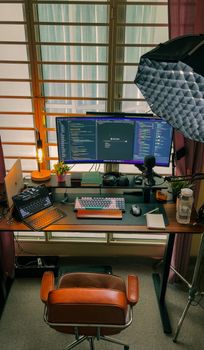
At a minimum, you'll need a reliable laptop with sufficient processing power, a stable internet connection, and remote desktop software like TeamViewer or AnyDesk to access the PLCs. Many companies provide a VPN and specific software licenses for remote access. You'll also need simulation software like PLCSIM to test your programs without physical hardware. Good communication tools like a headset and webcam are essential for meetings.
Final Thoughts: Is It Worth the Effort?
Securing a remote PLC programmer job in Germany requires effort, but the rewards are substantial. You get to work in one of the world's leading economies, with a strong engineering culture and excellent career prospects. The pay is competitive, and the work-life balance can be significantly better than in a traditional on-site role. Yes, the language barrier and the occasional travel requirement can be challenges, but they are not insurmountable. The demand for skilled automation engineers is only going to grow, and those who are willing to adapt and learn will find plenty of opportunities. If you're ready to take the plunge, I say go for it. Update your CV, set up your LinkedIn profile, and start applying. Your future self will thank you.