The Moment I Realized My Degree Wasn’t Enough
I still remember sitting in a cramped cubicle somewhere in Eastern Europe, staring at a PLC simulation that refused to compile. I had a degree in electrical engineering, three years of experience, and a growing suspicion that I was stuck. The Netherlands kept appearing in my LinkedIn feed—job postings for industrial automation engineers with salaries that made my eyes water. But every time I clicked “apply,” a voice in my head whispered: You don’t speak Dutch. You don’t know their standards. You’re not good enough.
That voice was wrong, but it took me eighteen months of research, two failed interviews, and one relocation to understand why. Here is what I wish someone had told me before I started.
What Does an Industrial Automation Engineer Actually Do in the Netherlands?
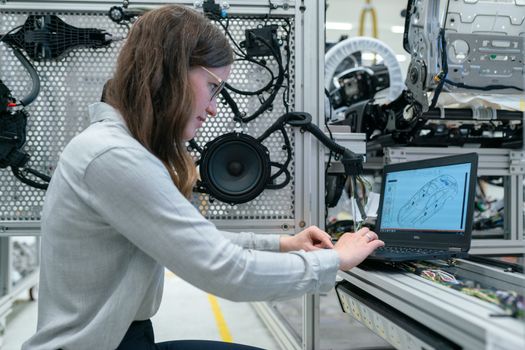
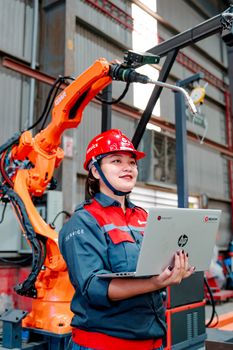
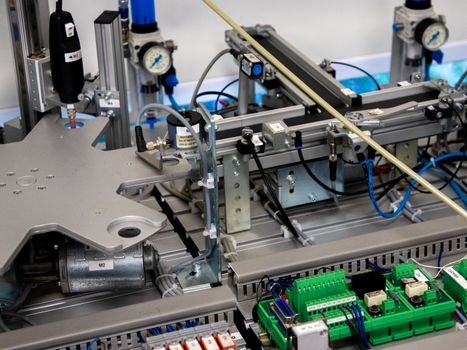
Industrial automation engineers in the Netherlands design, program, and maintain the control systems that run factories, greenhouses, logistics hubs, and energy plants. Think PLCs, SCADA systems, robotics, and increasingly, IIoT platforms. The role is more applied than in many other countries—Dutch employers expect you to be comfortable with your hands on a machine, not just behind a desk.
The typical day might involve troubleshooting a Siemens S7-1500 on a cheese packaging line, writing Python scripts for a vision system, or meeting with a client in Rotterdam to discuss a control panel redesign. The work is fast-paced, often project-based, and requires a blend of electrical engineering knowledge, software logic, and practical problem-solving.
The Hard Requirements: Education, Certification, and Dutch Law
To work as an industrial automation engineer in the Netherlands, you need at least a bachelor’s degree in electrical engineering, mechatronics, or automation technology. A master’s is not required but can help with work visa sponsorship—the Dutch government uses a points-based system for highly skilled migrants, and a master’s adds points.
Most Dutch employers accept international degrees, but they will want to see transcripts and sometimes a credential evaluation from Nuffic (the Dutch organization for internationalization in education). If your degree is from outside the EU, budget €150–€300 and 4–6 weeks for the evaluation.
Certifications matter more than in many other European countries. The most recognized ones are:
- Siemens TIA Portal certification (Level 1 or 2)
- Rockwell Automation Certified System Integrator
- ISA/IEC 61511 Functional Safety certification
- Beckhoff TwinCAT certification
I spent three months earning my TIA Portal Level 1 certification online. It cost about €2,000 but directly led to my first interview with a Dutch system integrator.
Work Visas and the 30% Ruling
If you are a non-EU citizen, you need a highly skilled migrant visa. Your employer must be a recognized sponsor by the Dutch Immigration and Naturalization Service (IND). As of 2026, the minimum salary threshold for a highly skilled migrant aged 30 or over is €5,331 per month (gross). For those under 30, it is €3,909. These figures are updated twice a year, so check the IND website before applying.
The 30% ruling is a tax advantage for expats—30% of your salary is tax-free for up to five years. You need to have been recruited from abroad and live within 150 km of the Dutch border. This can boost your net income significantly. A gross salary of €60,000 becomes roughly €52,000 net instead of €45,000.
What Dutch Employers Really Look For (Beyond the Resume)
After interviewing with seven companies and speaking to two recruiters, I noticed patterns. Dutch employers value:
- Hands-on experience with Siemens and Beckhoff hardware—simulation experience alone is not enough
- Structured problem-solving—they love candidates who can explain their debugging process step by step
- Communication skills—you will work with operators who speak Dutch, engineers who speak English, and managers who speak both. You do not need fluent Dutch for most roles, but basic conversational skills (A2/B1) make a huge difference
- Adaptability to flat hierarchies—Dutch companies expect you to speak up in meetings, even to senior engineers. Quiet compliance is not valued here
One recruiter told me: “We can teach you a new PLC brand in two weeks. We cannot teach you how to listen to a client’s pain point and translate it into a control logic.”
A Common Mistake I Made
I applied with a generic CV and cover letter. Every Dutch hiring manager I spoke to mentioned they wanted to see project-specific achievements. Instead of “Programmed PLCs for packaging lines,” write “Redesigned a palletizing cell control system, reducing cycle time by 18% and unplanned downtime by 30%.” Numbers matter. Dutch engineering culture is data-driven.
Salary and Market Outlook in 2026
The median gross salary for an industrial automation engineer in the Netherlands in 2026 is €58,000 per year. Junior engineers (0–3 years) earn between €38,000 and €48,000. Mid-level engineers (3–7 years) earn €50,000 to €68,000. Senior engineers and team leads can exceed €85,000.
The demand is strong. The Dutch high-tech industry, including ASML, Philips, and a dense network of machine builders and system integrators, is growing. The Dutch government’s focus on digitalization and sustainability (especially in the greenhouse sector and energy transition) has created a shortage of skilled automation engineers. According to a 2024 survey by Techniek Nederland, 72% of automation companies reported difficulty filling vacancies.
The job market is particularly hot in the regions of Eindhoven (Brainport), Rotterdam (port automation), and the Westland (greenhouse horticulture).
How the Netherlands Compares to Germany and Belgium
I also considered Germany and Belgium. German salaries are slightly higher (median €62,000) but so are taxes and the language barrier—fluent German is almost mandatory. Belgium has a lower cost of living and a strong automation sector around Antwerp, but salaries are 10–15% lower. The Netherlands offers the best balance of English-friendly work environments, competitive salaries, and the 30% ruling for expats.
One downside: Dutch housing costs, especially in the Randstad (Amsterdam, Utrecht, Rotterdam), are high. Expect to spend 30–40% of your net salary on rent. Many engineers live in smaller cities like Den Bosch, Arnhem, or Zwolle and commute.
FAQ: Your Questions Answered
Do I need to speak Dutch to get a job as an industrial automation engineer in the Netherlands?
Not for most roles, especially at international companies or system integrators with English-speaking clients. However, learning Dutch to A2 level within your first year will open more opportunities and help you integrate socially. Some companies, especially smaller family-owned ones, may require Dutch.
How long does it take to get a work visa?
If your employer is a recognized sponsor, the IND typically processes highly skilled migrant visa applications within 2–4 weeks. You can start working once the application is submitted, but you need a valid residence permit to stay long-term.
Can I get a job without a degree if I have experience?
Rarely for a highly skilled migrant visa, because the visa requires a degree equivalent to a Dutch bachelor’s. For EU citizens, experience can sometimes substitute for a degree, but most employers still prefer a formal qualification.
What is the best city to live in for automation jobs?
Eindhoven is the clear winner—it is the heart of the Dutch high-tech industry with companies like ASML, VDL, and hundreds of suppliers. Rotterdam is strong for port and logistics automation. The Westland region is ideal for greenhouse automation.
How do I find a job before moving?
LinkedIn is the primary platform. Use filters for “Industrial Automation Engineer” and location “Netherlands.” Also check Techniek Nederland job board and company career pages directly. Networking helps—join the Dutch chapter of ISA or attend events like the Industrial Automation & Robotics Expo in Utrecht.
Final Thoughts: Is It Worth the Leap?
Moving to the Netherlands to become an industrial automation engineer was the best career decision I made. The work is challenging, the culture is refreshingly direct, and the lifestyle—cycling to work, Friday afternoon borrels, four-day workweeks at some companies—is hard to beat. But it is not a shortcut. You need the right certifications, a willingness to learn Dutch, and a thick skin for flat hierarchies.
If you are sitting in that cubicle wondering whether you can make it, the answer is yes—if you are willing to do the work before you get on the plane.