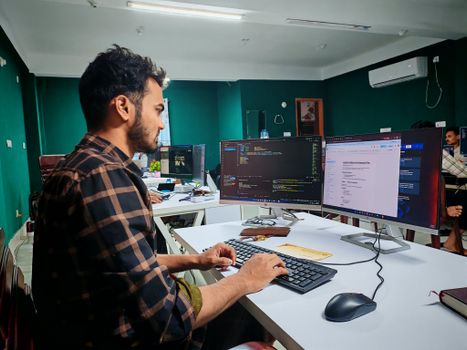
Introduction: The Myth of the Impossible Remote German Job
Everyone told me that German companies would never hire a frontend developer remotely from outside the EU. They said the bureaucracy was too thick, the cultural preference for in-office collaboration too strong. I almost believed them. Then I started digging. Turns out, the story is very different. While it is true that some traditional German firms still expect bums on seats, a powerful and growing slice of the tech scene here has fully embraced asynchronous, cross-border work. The catch is that the usual advice you find on LinkedIn does not cut it.
The Real Landscape for Remote Frontend Developers in Germany (2026)
Germany is the largest economy in Europe, and its digital transformation is still accelerating. The demand for skilled frontend developers has never been higher, but the talent pool within the country is tight. This creates a genuine opportunity for foreign developers—if you know where to look and how to position yourself. A 2024 study by the German Digital Association (Bitkom) found that over 60% of German tech companies now offer some form of remote work, with about 15% being fully remote-first. For frontend roles specifically, that number climbs higher, since the work is largely code-based and reviewable asynchronously.
Salary Benchmarks: What You Can Actually Earn
Let's talk numbers. Average gross annual salaries for remote frontend developers in Germany range from €55,000 for junior roles to €85,000 for mid-level, and up to €110,000+ for senior or lead positions. These figures are for employees based in Germany (even if remote). If you are hired as a contractor from outside the EU, the net rates can be lower due to employer-side costs, but a typical rate is around €45–€70 per hour.
- Junior (0-2 years): €50,000 - €65,000
- Mid (2-5 years): €70,000 - €90,000
- Senior (5+ years): €90,000 - €120,000
- Contractor rate (all levels): €45 - €80 per hour (invoiced)
Importantly, Berlin tends to pay slightly higher than Munich for frontend roles (thanks to startup density), while contrast can be found in corporate-heavy cities like Hamburg or Frankfurt. But for fully remote roles, location within Germany matters less. Companies like Delivery Hero, N26, Klarna, and Zalando have publicly maintained remote-first policies.
Practical Insights: How to Actually Land the Job
Here is where most applicants go wrong. They think sending a generic application will work. It will not. The hiring process for remote frontend roles in German companies is notoriously thorough and takes a different shape than in the US or UK.
Hiring Trends and Common Mistakes
German companies value formal qualifications, but they also love concrete evidence of work. A portfolio bloated with exercises from online courses is ignored. What gets attention? A well-documented GitHub repository with a non-trivial project, ideally with a deployed link. Also critical: German companies often have a bias towards specific tech stacks. React, TypeScript, and CSS-in-JS (like styled-components) are dominant. Vue.js is still strong in some regions, but React reigns supreme. One common mistake is not tailoring the application to the specific German market—for example, ignoring that many companies run their hiring process directly in English (especially startups and scale-ups), but your cover letter should still mention why you want to work in the German ecosystem.
Insider Tips for the German Interview
Interviews here are surprisingly structured. Expect a multi-stage process: an initial tech screen (often with a live coding test or take-home task), a system design or architecture discussion, and a cultural fit round that sometimes includes a segment where you discuss a case study from your past work. The biggest insider tip is to prepare for the "German directness"—interviewers will ask blunt questions like "What was the biggest mistake you made on this project?" or "Why did you choose React over Svelte?" They want depth, not flattery. Also, be aware of the notice period culture: contract amendments or "Probezeit" (probation period of 6 months) are standard even for remote workers.
Market Outlook and Career Trajectory
The market for remote frontend developers in Germany is cooling slightly from the 2021 peak, but it remains robust. A 2025 survey by StepStone indicated that while the total number of tech job openings dropped by 15% compared to the previous year, the percentage of those that are remote-capable increased by 20%. For you, this means competition is tougher, but the filters are in your favor if you present yourself well. The long-term career prospect is excellent: once you land a role and establish a reputation, German employment law (like protection against unfair dismissal after 6 months) gives you strong security. Moreover, many remote roles have led to full relocation offers, as companies become increasingly confident in hybrid models.
Comparing Options: German Remote vs. Other Markets
Country-specific considerations matter. Compared to the US or UK market, German companies tend to offer lower gross salaries but provide significantly better work-life balance, legal protection, and social benefits (health insurance, pension, paid vacation of typically 25-30 days). However, the tech stack expectations can differ noticeably. In the UK, there is more demand for developers who can also handle backend or DevOps tasks on a broad basis. In Germany, specialist roles (front-end only) are more common, and people often stay in one role longer. Also notable: German companies, especially those that are "Mittelstand" (SMEs), are slower to adopt the latest frameworks. You'll find more production code in React 16/17 and legacy jQuery than you might expect. The contrast between hyper-growth startups in Berlin and conservative firms in Bavaria is vast.
FAQ: Remote Frontend Developer Jobs in Germany
Do I need to speak German to get a remote frontend job in Germany?
Not for the job itself at most tech-forward startups and scale-ups. Their primary language is English. However, if you plan to commute to an office occasionally or deal with German clients, basic German is a massive advantage. For full remote roles with no client contact, fluent English is enough. Be aware that some older or corporate companies still list German proficiency as a requirement.
How does the visa/work permit process work for remote employees?
If you are an EU citizen, no visa is needed. For non-EU, you can work remotely from your home country as a freelancer if you have a valid contract with a German company and meet freelance registration requirements. Alternatively, the German government offers an "Employment Visa" for skilled workers (EU Blue Card), which can be obtained with a job offer. A growing trend in 2026 is the "Freelancer Visa" specifically for IT contractors, which allows you to live in Germany as a self-employed person while contracting for German companies exclusively or mostly.
Which German companies are known for hiring remote frontend developers?
Well-known ones include: Delivery Hero, N26, Klarna, Zalando, SoundCloud, and Contentful. Also consider fast-growing SaaS companies like Personio, Celonis, and Thoughtworks. Smaller tech companies in cities like Leipzig, Dortmund, or Freiburg increasingly hire remotely to expand their talent pool.
What is the typical interview process length?
Usually 3-5 weeks. It is slower than the US market. Planning for a 4-week timeline for the whole process is standard. Expect more steps (a recruiter call, tech test, live coding, and a final round) rather than just a single interview.
How can I negotiate salary as a remote candidate?
Leverage your remote location. If you live in a lower cost-of-living area, you might accept a slightly lower euro amount, but many German companies have standardized salary bands regardless of location. Ask for the range upfront. If offered a contract, check if you can work as a contractor (B2B) to optimize tax. For an employee role, negotiation is possible, but margins are thinner than in the US. Use benchmarks from Glassdoor and StepStone to support your ask.
Conclusion: The Path Forward is Real
The assumption that remote frontend jobs in Germany are mostly a myth for outsiders is just wrong. The landscape is nuanced but accessible. Germany has a mature, stable economy with a genuine need for frontend talent, and remote culture is becoming the default in the tech bubble. Your success hinges on understanding the specific quirks of the German market—from the structured interview style to the tech stack preferences and the legal nuances of working across borders. If you can build a solid portfolio, speak the language of modern JavaScript frameworks, and prepare for a direct, analytical interview process, there is a seat waiting for you somewhere between Berlin, Munich, and your home desk. Don't let the stereotypes hold you back.