The Coffee Shop Confession
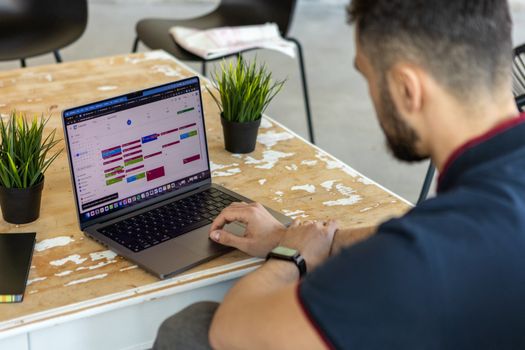
You are sitting in a busy Dublin coffee shop, scrolling through LinkedIn. You see the same job postings for Senior Software Engineers and Data Scientists, but the Scrum Master roles feel... quieter. Maybe you are a newly certified CSM wondering if you made a good investment. Or an experienced Agile coach considering a move to Cork or Galway. The question hangs in the air: is the Scrum Master role in demand in Ireland right now? The short answer is yes, but the truth is more nuanced than a simple headline. The market has matured, and the days of hiring anyone with a two-day certification are gone. What remains is a genuine, if more selective, demand for skilled professionals who can actually deliver.
What the Irish Market Actually Looks Like in 2026
The Irish tech sector remains a powerhouse, with multinational giants like Google, Meta, Apple, and a thriving ecosystem of indigenous startups and fintech companies. According to recent industry reports, the demand for Agile roles in Ireland has shifted from pure volume to value. Companies are no longer just counting Scrum Masters; they are looking for people who can prove their impact. A 2025 survey by the Irish Software Association indicated that 68% of technology companies in Ireland plan to maintain or increase their Agile coaching and Scrum Master headcount in 2026, focusing on senior and experienced hires. This is not a boom, but it is a steady, healthy market.
The Real Salary Picture for Scrum Masters in Ireland
Let's talk numbers. In 2026, the average salary for a mid-level Scrum Master in Dublin ranges from €65,000 to €85,000, depending on the company and sector. Senior roles or those combined with Agile coaching responsibilities can push beyond €95,000, especially in financial services and big tech. Outside Dublin, in cities like Cork, Limerick, and Galway, salaries are slightly lower—typically 10-15% less—but the cost of living is also lower, making these roles highly attractive. Contract rates for experienced Scrum Masters hover around €400 to €600 per day. These figures come from multiple recruitment agencies and salary surveys conducted in late 2025.
What Companies Are Actually Looking For
The biggest shift in 2026 is that companies are tired of process for the sake of process. A certification alone will not open doors. Hiring managers in Ireland want to see evidence of real-world outcomes. They want a Scrum Master who can show how they helped a team reduce cycle time by 20%, or how they facilitated a tricky stakeholder alignment that saved a quarter. Technical literacy is increasingly valued. You do not need to be a developer, but understanding CI/CD pipelines, cloud infrastructure, and modern DevOps practices makes you significantly more hireable. Companies like Intercom and Stripe have set a high bar, expecting their Scrum Masters to engage deeply with engineering challenges, not just run stand-ups.
Where the Demand Is Highest
Demand is not uniform across all industries. The financial services sector, particularly in Dublin's International Financial Services Centre (IFSC), is a major driver. Banks and fintech companies are undergoing massive digital transformations and need experienced Scrum Masters to guide product teams. The pharmaceutical and medtech sectors, especially in Cork and Galway, are also growing their Agile practices. Meanwhile, the traditional software product companies are more selective, often preferring internal promotions. The public sector and larger semi-state bodies are slower but increasingly hiring, offering good work-life balance and stability.
Common Mistakes That Kill Your Application
One of the biggest mistakes candidates make is relying on generic CV language. Phrases like "facilitated daily stand-ups" or "removed impediments" are table stakes. They do not differentiate you. Another common error is ignoring the cultural aspect. Irish workplaces value relationship-building and a collaborative, non-authoritarian style. A Scrum Master who comes across as a "process cop" will struggle. Recruiters also report that many applicants fail to articulate how they handle conflict within a team. Being able to describe a specific situation where you helped two senior engineers resolve a disagreement is worth more than a list of Agile certifications.
Insider Tips for Landing a Role in 2026
If you are serious about breaking into or advancing in the Irish market, here is practical advice from hiring managers and recruiters. First, build a portfolio of case studies. Document one or two projects in detail: the starting problem, your interventions, the measurable results. Second, network intelligently. Attend meetups like the Dublin Agile & Lean Group or the Cork Scrum User Group. Irish tech is a small world; a recommendation from a trusted colleague goes a long way. Third, consider getting a specialised certification beyond the basic CSM. The SAFe Scrum Master or a Professional Scrum Master (PSM II) can help, but only if you combine it with real experience. Fourth, be ready to talk about remote and hybrid work. Most Irish companies operate a hybrid model, and your ability to facilitate effective collaboration across distributed teams is a key selling point.
The Career Outlook: Short-Term and Long-Term
Looking ahead, the role of the Scrum Master is not disappearing, but it is evolving. The rise of AI tools that automate task tracking and reporting means that the purely administrative aspects of the job are shrinking. The human elements—coaching, conflict resolution, stakeholder management, and strategic thinking—are becoming more valuable. In the long term, the best Scrum Masters in Ireland will likely transition into roles like Agile Coach, Delivery Lead, or even Product Leadership. The market rewards those who grow. For someone starting now, the career path is solid but requires continuous learning. The days of resting on a single certification are over.
How Ireland Compares to Other European Markets
Compared to the UK, salaries for Scrum Masters in Ireland are competitive, though London roles often offer higher top-end figures. However, Ireland's corporate tax environment and the concentration of US tech headquarters mean more opportunities for equity and stock options. Compared to Germany or the Netherlands, the Irish market is smaller but more English-speaking and culturally accessible for international talent. The visa process for non-EU citizens is also relatively straightforward for skilled professionals, though it requires a job offer from a registered company. This makes Ireland a strong choice for experienced Scrum Masters looking to relocate within Europe.
Frequently Asked Questions
Is the Scrum Master market oversaturated in Ireland?
No, but the junior end is more competitive. There is still strong demand for experienced Scrum Masters who can demonstrate impact. Entry-level candidates may need to gain experience in a related role first.
Do I need a university degree to become a Scrum Master in Ireland?
Not necessarily. Many successful Scrum Masters come from development, QA, or project management backgrounds. A degree is helpful but not mandatory. Practical experience and strong interpersonal skills often matter more.
Can I get a work visa as a Scrum Master in Ireland?
Yes, Scrum Master is listed on the Critical Skills Occupations List, which makes it eligible for a work visa. You will need a job offer from a company registered with the Department of Enterprise, Trade and Employment.
What is the best certification for a Scrum Master in Ireland?
The Certified ScrumMaster (CSM) from Scrum Alliance is widely recognised. The Professional Scrum Master (PSM I and II) from Scrum.org is also highly respected. Choose based on your learning style and budget.
How long does it take to find a job as a Scrum Master in Ireland?
For experienced professionals, the process typically takes 4 to 12 weeks. For those without direct experience, it may take longer, and you might need to start in a junior or transitional role.
Making the Decision
So, is being a Scrum Master in Ireland a good bet for 2026? Yes, if you are willing to adapt. The market rewards depth over breadth, results over process, and human connection over rigid frameworks. If you are the kind of person who enjoys helping teams find their own solutions, who can handle ambiguity, and who is comfortable with continuous learning, Ireland offers a vibrant, well-paying, and supportive environment. The coffee shop conversation does not have to end with doubt. It can end with a plan.