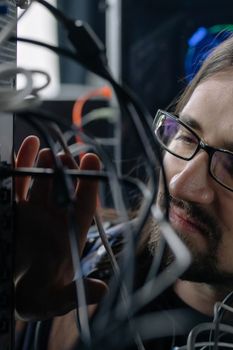

Let’s be honest: when you picture a sysadmin in Germany, you might assume a computer science degree from a German university is non-negotiable. But that’s not how it works here. The German IT sector is surprisingly pragmatic—it cares more about what you can actually do than where you studied. Plenty of sysadmins got their start through vocational training (Ausbildung), self-study, or by switching from a completely different technical role. What really matters is demonstrated competence, especially in Linux or Windows environments, plus a working understanding of German IT infrastructure standards.
Understanding the Role of a System Administrator in Germany
A system administrator (Sysadmin) in Germany keeps the digital gears turning: servers, networks, cloud services—you name it. Day-to-day, that means installing and configuring hardware and software, managing user accounts, enforcing security compliance, monitoring performance, and jumping in when something breaks. In German companies, the role often splits into specialized tracks: Linux/Unix admins, Windows admins, and cloud-focused admins (AWS, Azure, Google Cloud).
German employers like broad knowledge, but they increasingly want deep expertise in one area. The 2026 BITKOM digital association report says 78% of German companies think cloud administration skills are essential for new hires, and 62% prioritize security expertise. The classic “jack-of-all-trades” role still exists in small and mid-sized enterprises (Mittelstand), but larger corporations and tech firms expect you to specialize.
Required Skills and Qualifications
Core Technical Skills
- Operating systems: Linux (Ubuntu, Debian, CentOS) or Windows Server (2019, 2022), including command-line proficiency and scripting automation.
- Networking: TCP/IP, DNS, DHCP, firewalls, VPN, and load balancing.
- Virtualization and cloud: VMware, Hyper-V, Proxmox, plus at least one major cloud platform (AWS, Azure, GCP).
- Scripting: Bash, PowerShell, or Python for automation and system monitoring.
- Security basics: patch management, access controls, backup strategies, and understanding of German data protection rules (BDSG and GDPR).
- Monitoring tools: Nagios, Zabbix, Grafana, Prometheus, or equivalent.
Soft Skills and Language Requirements
German language proficiency is a game-changer. While many international tech companies run on English, the majority of German firms need German for day-to-day communication with non-IT colleagues and external vendors. A 2025 StepStone survey found that 71% of sysadmin jobs in Germany list German as mandatory. English? Essential for reading docs and working with global teams, but it won’t replace German for most roles.
Soft skills like structured problem-solving, documentation habits, and clear communication with non-technical staff are often underrated but heavily evaluated in interviews. German employers expect sysadmins to keep meticulous documentation, especially in compliance-heavy sectors like finance, healthcare, or manufacturing.
Formal Pathways: Ausbildung, Degree, or Certification
Fachinformatiker für Systemintegration (Vocational Training)
The classic native route is the dual vocational training program “Fachinformatiker für Systemintegration” (IT specialist for system integration). This is a 3-year program that combines part-time work at a company with part-time trade school. Trainees earn roughly €1,000–1,200 per month in the first year, rising to €1,200–1,400 by the third year. Why do locals love it? It’s structured, hands-on, and ends with a government-recognized qualification. For internationals, though, you’ll need a job offer and, if you’re from outside the EU, a vocational training visa.
University Degrees
A bachelor’s degree in computer science or a related field is helpful but not essential. Graduates often start as junior sysadmins or in IT operations. If your degree is from abroad, check the Anabin database to see if it’s recognized in Germany. Degrees become more important for moving into management or architecture roles, where analytical skills and strategic thinking matter.
Certifications
Certifications are a fast track for career changers and a way to validate your skills quickly. Employers commonly recognize:
- CompTIA A+, Network+, and Security+ as foundational.
- Linux Professional Institute (LPIC-1, LPIC-2) or Red Hat Certified System Administrator (RHCSA).
- Microsoft certifications (MD-102, AZ-800, AZ-801) for Windows environments.
- VMware or cloud-specific certifications like AWS SysOps Administrator.
Certifications don’t replace experience, but they get you past applicant screening. A 2026 Bitkom survey found that 49% of HR managers in IT see certifications as strong signals of practical ability.
Gaining Practical Experience and Building Your Portfolio
Hands-on experience beats everything else. If you don’t have a formal IT job yet, set up a home lab or use cloud free tiers to practice. Document your configurations, scripts, and troubleshooting processes in a personal blog or GitHub repository. German interviewers often ask for specific examples of incidents you resolved and the steps you took. Having a portfolio of automation scripts or a detailed blog post on how you set up a VPN server shows initiative and analytical thinking.
Contributing to open source is another way to gain visible experience, especially for Linux-focused roles. German tech hubs like Berlin actively recruit candidates with strong GitHub profiles. So don’t just study—build something and let it speak for you.
Finding a Job as a System Administrator in Germany
Where to Search
- Online job portals: StepStone, Indeed, LinkedIn, and XING (a German professional network).
- Specialized IT job boards: IT-Jobbörse, Honeypot, and German IT freelancer platforms.
- Company career pages: Large employers like SAP, Siemens, Deutsche Telekom, and automotive suppliers constantly hire sysadmins.
- Recruitment agencies: Many agencies specialize in IT roles and can help you navigate the market.
Application Documents
German applications include a cover letter (Anschreiben), a CV (Lebenslauf), and copies of certificates. The CV is typically in tabular format, with a professional photo (though not mandatory anymore). The cover letter must be tailored to the company and role—keep it concise and focused on relevant technical achievements. Avoid generic phrases; instead, mention specific technologies you’ve mastered and concrete projects you’ve completed.
Visa and Work Permits
Non-EU citizens need a work visa. The EU Blue Card is the most common route for university graduates with a job offer and a minimum salary of €45,300 (2026 threshold) for IT professionals. If you don’t have a degree, the German government offers the Skilled Immigration Act pathway for individuals with professional qualifications (e.g., vocational training recognized in Germany) or with proven work experience in IT. Since 2024, the IT specialist regulation allows non-EU applicants with at least three years of relevant work experience in the past seven years to get a visa if they have a job offer and a minimum salary of about €40,500 (2026 figure). Always check the latest rules on the official German immigration website.
Salary Expectations and Career Growth
System administrator salaries in Germany vary by region, company size, and experience. According to the 2026 Gehalt.de report, the average annual gross salary for a system administrator is €52,000, with a typical range of €42,000 for junior roles to €65,000+ for senior positions. In high-cost cities like Munich, Frankfurt, and Berlin, salaries are 10–15% higher. Large corporations and IT consultancies pay at the top of the range, while smaller companies might offer lower base pay but more flexibility.
Career progression often leads to roles like DevOps Engineer, Cloud Architect, or IT Team Lead. With cloud adoption accelerating, sysadmins who upskill into DevOps practices can see salary increases of 20–30%. The German job market for IT specialists is projected to grow by 4% annually through 2026, driven by digitization efforts in government, healthcare, and the automotive industry.
Comparing Trade Routes: Degree vs. Certification vs. Experience
Let’s break down the three main pathways:
- Vocational Training (Ausbildung): Structured learning with a recognized qualification, but takes 3 years and often requires B2 German. Great for those new to IT.
- University Degree: Provides broader theoretical knowledge and is preferred for management roles, but requires more time and often includes less practical training.
- Certifications & Experience: Fastest entry, but you must prove your skills to skeptical HR departments. Ideal for career changers with existing technical aptitude.
In practice, many sysadmins combine pathways: an IT-related degree plus certifications, or a bootcamp plus a strong home lab. The best route depends on your current situation and career goals.
FAQ: How to Become a System Administrator in Germany
Do I need to speak fluent German to become a sysadmin in Germany?
Most positions require at least B2 German. Some startups and international companies work primarily in English, but the vast majority of German companies need German for day-to-day operations. Learning German is the single most important non-technical step you can take.
What is the fastest way to get hired as a sysadmin without a degree?
Focus on high-demand certifications (RHCSA, CompTIA Security+, AWS SysOps) and build a demonstrable set of projects. Then apply to companies that value practical skills, and consider starting at a managed service provider (MSP) where they’re used to training junior staff quickly.
Can I get a visa with only certificates and no degree?
Yes, under the Skilled Immigration Act, you can obtain a visa if you have a recognized vocational qualification or, for IT specialists, at least three years of work experience within the past seven years. Certificates help but aren’t the only factor; your job offer and salary matter most.
What are the common mistakes international applicants make?
Applying with English CVs and generic templates, underestimating the German language requirement, and lacking a tailored cover letter. Also, many fail to highlight their practical experience in a way German HR understands—always use KPIs and concrete examples.
Conclusion
Becoming a system administrator in Germany is absolutely doable—and you don’t need a degree from a German university to make it happen. The most reliable path combines technical depth, recognized certifications, and a willingness to learn German. While formal qualifications help, the German IT market increasingly rewards practical skills and adaptability. So, focus on building your cloud and automation knowledge, tailor your application to German standards, and prepare to demonstrate your problem-solving abilities in interviews. Start your journey by learning German and setting up your own lab—these first steps will set you apart from other applicants.