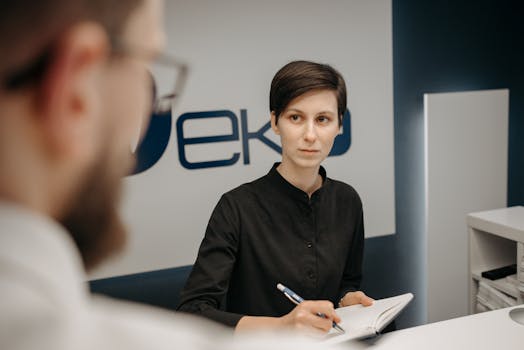
Let’s be honest: when you think “ERP consultant,” you probably picture a tech wizard hunched over a keyboard, writing code until 2 a.m. But that’s not the reality—especially in Switzerland. I’ve met ERP consultants here who studied psychology, economics, even history. Shocking, right? The truth is, this career is less about coding genius and more about connecting business problems with software solutions. If you’ve ever helped a company streamline its processes, you’re already closer than you think.
What an ERP Consultant Actually Does in Switzerland
Before you fire off applications, get a clear picture of the job. ERP consultants in Switzerland don’t just configure software. They analyze workflows, run workshops, map requirements, and often handle change management—because let’s face it, people resist new systems. You might spend weeks in Bern or Zurich, or work remotely from Lausanne, depending on the project. The role splits into two tracks: functional and technical. Functional consultants focus on processes and configuration, while technical ones handle integrations, customizations, and data migration. Most Swiss companies crave functional consultants with a strong grasp of finance or supply chain, so pick your niche early.
Which ERP Systems Matter Most in Switzerland
Switzerland has its favorites. SAP dominates the enterprise space, especially in pharma, banking, and manufacturing. But it’s not the only game in town. Microsoft Dynamics 365 is making real inroads with mid-sized companies, and Infor, Odoo, and Abacus have their loyal niches. Abacus is particularly Swiss—you’ll find it in many local SMEs, and knowing it can be your ticket in. The trick is to specialize. Don’t try to learn everything. Pick one system, go deep, and build a track record. If you’re new, Odoo or Abacus might be easier to break into than SAP, which often demands years of experience or pricey certifications.
Certifications and Training That Actually Matter
Certifications help, but they’re not the golden ticket. SAP offers official certs, and having one can definitely open doors. But many Swiss employers care more about real project experience. If you’re starting from scratch, begin with a vendor certification like SAP S/4HANA Associate or Microsoft Power Platform Fundamentals. For Odoo, their official training is solid. For Abacus, you’ll need to go through their Swiss-based training. A practical tip: don’t collect certifications like Pokémon cards. Do one or two major ones, then focus on getting your hands dirty. Swiss companies value problem-solving over paper credentials.
The Language Factor: How Many Do You Need?
Here’s where Switzerland gets tricky. The country has four national languages, and your language skills can make or break your job search. German is the big one—it’s essential for most roles outside the French-speaking regions. French is critical in Geneva, Lausanne, and the surrounding areas. English is the working language in many multinationals, especially in Basel and Zurich, but you’ll still need German or French for client-facing work. My advice? If you don’t speak German yet, start learning. Even a B1 level can set you apart. And if you’re in the French part, master French. The Swiss love that you’ve made the effort—it shows you’re serious about integrating.
How to Land Your First ERP Consulting Role
Getting that first role is the hardest part. The classic catch-22: you need experience to get a job, but you need a job to get experience. Here’s how to break that cycle. First, look for roles at smaller consulting firms or as a freelancer on projects. They often take on juniors with the right attitude. Second, leverage your existing industry knowledge. If you’ve worked in logistics or finance, highlight how that expertise transfers to ERP. Third, consider a role as a functional analyst or business process specialist—it’s a stepping stone. Networking is huge in Switzerland. Join local LinkedIn groups, attend events like the SAP User Group, and don’t be shy about reaching out to recruiters. The Swiss job market relies heavily on personal connections, so get out there.
What You’ll Earn: ERP Consultant Salary in Switzerland
Money talks, and in Switzerland it shouts. An entry-level ERP consultant can expect to earn between CHF 85,000 and CHF 110,000 per year. With a few years of experience, that jumps to CHF 110,000–140,000. Senior consultants and project leads can pull in CHF 150,000 or more. And if you go freelance, daily rates range from CHF 700 to CHF 1,200 depending on your niche and reputation. These numbers are based on current market data and what I’ve seen in job postings and salary surveys. Naturally, the big cities like Zurich and Geneva pay more, but your living costs are higher too. Don’t just look at the gross salary—consider the total package, including bonuses and pension contributions.
Remote Work and the Swiss ERP Market
Remote work has changed the game. Many Swiss companies now offer flexible arrangements, but it’s not a given. Some clients insist on on-site presence, especially for workshops and go-live phases. You might work from home for a month, then travel to St. Gallen for a week. The trend in 2026 is hybrid: about 60% remote, 40% on-site, but this varies wildly by company. If you’re planning to freelance, you’ll need to be comfortable with travel. Swiss clients appreciate reliability and punctuality—always show up on time, even if it’s virtual. And don’t underestimate the importance of being physically present in the early stages of a project. Building trust face-to-face is still a Swiss virtue.
Common Mistakes New ERP Consultants Make
I’ve seen plenty of rookies stumble. The biggest mistake? Overpromising and underdelivering. Swiss clients are detail-oriented and hate surprises. Another classic: trying to fit a square peg into a round hole. Don’t force a standard process onto a client just because you know it. Listen first, understand their pain points, then suggest how the ERP can help. Also, don’t ignore the human side. Change management is often the toughest part. If the client’s team feels threatened by the new system, your project will fail, no matter how clean the configuration is. And finally, don’t neglect your documentation. Swiss business culture values thorough documentation—it’s not optional.
Market Outlook: Is It Worth Becoming an ERP Consultant in 2026?
Yes, but with caveats. The Swiss ERP market is mature, and the big S/4HANA migrations are still ongoing. Many companies are moving from legacy systems to the cloud, which means a steady stream of projects. According to a recent industry survey, around 60% of Swiss companies plan to upgrade their ERP within the next two years. That’s a lot of work for consultants. However, competition is getting fiercer, especially at the junior level. You need to differentiate yourself. Specialize in an industry like pharma or watchmaking, or in a niche like data migration or integration. The future belongs to consultants who can handle both business and tech, and who can guide clients through digital transformation with a steady hand.
ERP Consultant vs. Other Tech Roles in Switzerland
You might be wondering how ERP consulting stacks up against other tech roles. It’s different from being a pure software developer or a data scientist. ERP consultants need to be part business analyst, part project manager, and part technologist. That’s why it’s such a great career for people who like variety. Compared to a developer, you’ll spend less time coding and more time talking to stakeholders. The salary is competitive—often higher than a traditional business analyst, but sometimes lower than a top-tier developer. The real draw is the career path. You can move into project management, solution architect, or even start your own consulting firm. The skills are transferable across industries, so you’re not locked into one sector.
Frequently Asked Questions
Do I need a master’s degree to become an ERP consultant in Switzerland?
Not necessarily. A bachelor’s degree in business, IT, or a related field is common, but many consultants come from vocational training (the Swiss dual education system) or have worked their way up from other roles. What matters most is your practical experience and certifications.
Is German absolutely required?
It depends on the region. In the German-speaking part, yes—fluency is usually required for client-facing roles. In western Switzerland, French is the priority. English is also widely used in multinational companies, but you’ll need at least one local language to be truly effective.
How long does it take to become a certified ERP consultant?
That varies. A vendor certification like SAP S/4HANA can take a few months of study, but you’ll need to gain hands-on experience to be competitive. Many consultants spend 2–3 years working under a senior before they’re fully independent.
Can I become an ERP consultant without prior IT experience?
Yes, but it’s harder. You’ll need to compensate with strong business knowledge and a willingness to learn. Start with a functional role in a company that uses an ERP, or take an entry-level support job, and work your way up.
What’s the best way to find ERP consultant jobs in Switzerland?
LinkedIn is the biggest platform, followed by Swiss-specific sites like jobs.ch and indeed.ch. Networking is crucial—attend industry events, join local professional groups, and don’t underestimate the power of a well-written direct message to a recruiter.
Final Thoughts: Your Roadmap to ERP Consulting in Switzerland
Becoming an ERP consultant in Switzerland is not a get-rich-quick scheme, but it’s a solid, rewarding career. The key steps: pick a system, get certified, learn a local language, network, and get hands-on. Start with smaller projects or internships if you have to—every expert was once a beginner. The Swiss market values reliability, thoroughness, and a genuine interest in solving business problems. If you bring that, you’ll find plenty of opportunities. So, what’s stopping you? Update that LinkedIn profile, start learning, and take the first step today.