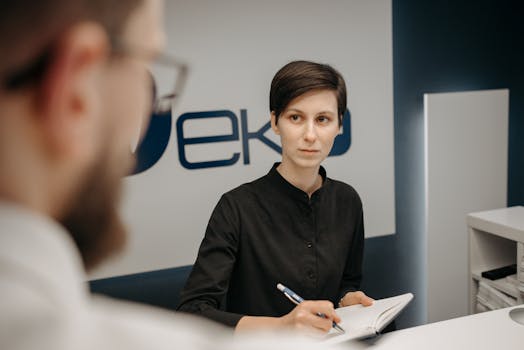

Walk into any Stockholm tech meetup or Gothenburg business hub in 2026, and you'll notice something: ERP consultants are in serious demand. Sweden's push toward digitalization in both the private and public sectors has turned ERP implementation from a niche IT skill into a core business necessity. Companies are moving off legacy systems, adopting cloud-first ERPs like Microsoft Dynamics 365, SAP S/4HANA, and NetSuite, and they need people who can bridge the gap between business processes and technology. If you're wondering how to become an ERP consultant in Sweden, you're entering a market that rewards practical experience, adaptability, and a genuinely Swedish trait—consensus-building with clients.
What an ERP Consultant Actually Does in Sweden
Before mapping out the path, it's worth clarifying the role. An ERP consultant in Sweden isn't just a tech support person. You're a translator between business needs and system capabilities. You might spend Monday in a workshop with a manufacturing client in Eskilstuna understanding their inventory pain points, and Tuesday configuring a module in the system. The role splits into two main tracks:
- Functional consultant: Focuses on business processes, requirements gathering, and configuring modules to match workflows.
- Technical consultant: Deals with integrations, custom code, data migration, and system architecture.
Many consultants start in one track and blur the lines over time. In Sweden, the most sought-after profiles are those who can handle both the functional dialogue and some technical tweaks. You don't need to be a coding wizard, but you should be comfortable diving into the system and figuring things out.
The Education Path: Degrees, Bootcamps, and Certifications
Swedish employers are pragmatic. They care less about your degree title and more about what you can do. That said, a baseline education helps. Common paths include:
- A bachelor's in business administration, computer science, or information systems from a Swedish university like Chalmers, KTH, or Uppsala.
- Specialized master's programs in IT management or enterprise systems.
- Non-traditional routes: Yrkeshögskola (vocational college) courses in ERP systems, which are shorter and very hands-on.
Certifications carry weight, especially from major vendors. A Microsoft Dynamics 365 certification or an SAP S/4HANA certification signals that you've invested time in learning the platform. In my experience, Swedish employers often sponsor certifications for junior consultants, but having one before you apply gives you a clear advantage.
Practical Experience: The Golden Ticket
Book smarts don't translate into consulting credibility. Swedish clients expect you to understand their reality. The quickest way to gain experience is through internships or entry-level roles at consulting firms like Acando (now part of Atea), CGI, Columbus, or smaller boutiques. Even a role as a support consultant or business analyst within an ERP project can serve as your entry point. The key is to get on a project as soon as possible. You'll learn more in one week of a real implementation than in a semester of coursework.
Language and Cultural Fit: More Important Than You Think
Here's the nuance many foreign candidates underestimate: Swedish is often the glue that holds projects together. While the technical documentation might be in English, and internal meetings sometimes too, client workshops often happen in Swedish. Even if you're working for an international company, you'll frequently collaborate with Swedish-speaking stakeholders who default to their native language. If you're serious about becoming an ERP consultant in Sweden, start learning Swedish early. It's not a hard requirement at every firm, but it expands your options tremendously. Also, Swedes value humility and listening—being a consultant isn't about steamrolling with opinions. It's about asking the right questions and letting the client arrive at the conclusion (with your nudge).
The Job Hunt: Where to Look and How to Stand Out
LinkedIn is the de facto job board in Sweden. Most consulting firms post openings there and actively recruit. Recruitment agencies like Experis, Adecco, and Dfind also play a significant role. Don't underestimate networking—Sweden's business world is small, and trust-based. Attend events like the annual Microsoft Business Applications Summit or SAP Meetups in Stockholm. Your résumé should highlight projects, not just responsibilities. Use numbers: "Led the rollout of D365 F&O for a mid-sized manufacturing client, migrating 40,000 SKUs and training 120 end users." That kind of specificity gets attention.
Salary and Compensation: What You Can Expect in 2026
Money matters, so let's talk numbers. As of 2026, a junior ERP consultant in Sweden earns between 32,000 and 38,000 SEK per month. With two to three years of experience, you're looking at 40,000–48,000 SEK. Senior consultants and project managers often command 55,000–70,000 SEK monthly. If you go freelance (in Swedish, "konsult" often means self-employed), hourly rates range from 700 to 1,200 SEK depending on your specialization and reputation. Keep in mind that Swedish salaries include mandatory benefits like pension contributions and 25–30 days of paid vacation. Also, the high progressive tax rate means your take-home is less than the gross figure, but the trade-off is strong job security and a robust social safety net.
Career Paths: From Employee to Independent Consultant
Many ERP consultants start at an agency, then transition to independent consulting after a few years. The Swedish market is surprisingly welcoming to freelancers, with a solid network of brokers (such as Consolver or Qvalify) that connect consultants with clients. However, going solo requires more than technical skill—you need to handle invoicing, marketing, and, crucially, business development. If you're more comfortable in a stable environment, staying at a larger firm opens paths to roles like solution architect, project manager, or engagement manager. There's also the option to join a client as an internal ERP owner, which offers better work-life balance but often a lower ceiling.
Comparing ERP Consulting to Other Tech Roles in Sweden
If you're considering ERP consulting, you've probably also thought about roles like Salesforce consultant or business intelligence analyst. The differences matter. ERP consulting is broader—it touches finance, supply chain, HR, and manufacturing. That breadth means you're not as deep in any one domain, but you gain a holistic view of how companies operate. Salesforce consulting is more niche and often focuses on sales and marketing, while BI is heavily data-focused. In Sweden, ERP consultants are particularly valued in manufacturing and public sector—two industries that are ripe with digitalization projects. If you like variety and problem-solving across domains, ERP is a strong choice.
Common Mistakes to Avoid During Your Journey
I've seen people stumble on the same traps time and again. One is overemphasizing technical skills and neglecting business communication. Another is waiting for a cert before applying—in Sweden, employers often prefer to train you on their specific stack. Also, some candidates underestimate the importance of Swedish. Even at international firms, the local accent shows up in deal-making. Lastly, don't be too narrow. The Swedish job market values flexibility; if you're open to learning new modules or even different ERPs, you open more doors. One concrete tip: learn how to demo effectively. During interviews, you'll often be asked to present a solution to a hypothetical client—or at least your approach. Practice structuring your demo around the client's pain points, not just the system's features.
The Outlook for ERP Consultants in Sweden
Looking ahead, the demand for ERP consultants shows no sign of cooling. The Swedish government's continued focus on digitalizing public services, combined with a strong export-driven industrial sector, means ERP projects keep coming. Notably, the adoption of cloud solutions has shifted the emphasis from technical maintenance to business change management. Consultants are now expected to help clients navigate process changes and user adoption. Also, the mid-market segment—companies with 100–500 employees—is hungry for streamlined ERP implementations. In 2026, I'd say the sweet spot is being certified in at least one major cloud ERP and having a track record in change management. For newcomers, the message is clear: start with a functional or technical foundation, get on a project, and keep learning. The Swedish market will reward you with a solid career and, if you play it right, the flexibility to shape your own path.
Frequently Asked Questions
Do I need a master's degree to become an ERP consultant in Sweden?
Not necessarily. A bachelor's in business or IT helps, but experience and certifications often outweigh academic credentials. Many consultants come from two-year vocational programs and build strong careers.
Is it possible to work as an ERP consultant without speaking Swedish?
Yes, especially in international companies or on global projects. However, your options narrow because many clients prefer Swedish-speaking consultants. Start learning Swedish as soon as possible.
What are the best ERP certifications for the Swedish market?
Microsoft Dynamics 365 certifications are highly valued, followed by SAP S/4HANA. Also, consider a project management cert like PRINCE2 or PMP if you aim for a leadership role.
How long does it take to become a competent ERP consultant?
Generally, 2 to 3 years of active project work. Your first year is steep learning, and by year four you can comfortably manage your own workstream.
Can I transition from a non-tech background?
Yes. Many ERP consultants start as business analysts, finance professionals, or supply chain specialists. The key is understanding business processes, which you can leverage as a springboard.
Final Thoughts from a Local Insider
Becoming an ERP consultant in Sweden isn't just about learning software—it's about understanding the Swedish work culture of collaboration and trust. Bring a genuine curiosity for how companies operate, and you'll find plenty of opportunities. The market is ripe in 2026, and there's room for new voices. Start with a small project, soak up everything you can, and don't expect overnight success. The journey is a marathon, but the finish line leads to a career that's both challenging and varied. If you're ready to get started, update your LinkedIn, set up a few informational meetings, and see where the journey takes you.